Drone Stack uses autonomy to enable autonomous navigation, AI-powered target tracking, multi-aircraft coordination, and mission planning.
Browsing Category
Emerging Tech
416 posts
Dive into the realm of emerging tech reshaping the future of defense.
From groundbreaking AI to 3D printing and wearables, we bring you the innovations driving the evolution of military strategies and capabilities.
US Startup Builds a Battlefield Tracker That Doesn’t Depend on GPS
TyrSense uses an NFC tag to track personnel, casualties, and supplies across the battlefield.
New F-16 Kit Hands the Controls to AI at the Flip of a Switch
The VENOM Autonomy Kit enables F-16 pilots to transfer aircraft control between human operators and artificial intelligence.
L3Harris, Shield AI Let AI Run the Electronic Warfare Fight
Autonomous EW ecosystem uses Distributed Spectrum Collaboration and Operations, Hivemind software, and Green Wolf platform.
One Weapon, Two Roles: New System Adds Drone Control to the Rifle
LADRS uses a 250-gram rifle-mounted interface to control drones through weapon orientation, laser designation, and integrated buttons.
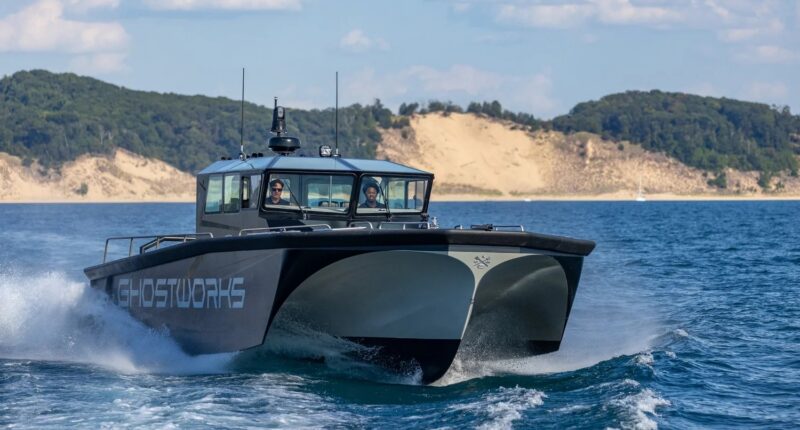
Ghostworks’ New Tech Pushes Naval Vessels Beyond One Job
MRLN transforms surface vessels into configurable multi-mission platforms for logistics, ISR, mine countermeasures, and communications relay in contested waters.
This Estonian Software Uses an Enemy Drone’s Own Video to Hunt It Down
The FSV Localizer geolocates hostile drones by matching intercepted video feeds with real-world terrain maps.
Emerging US Laser Weapon Aims for 500-kW Defense Against Cruise Missiles
The high-energy laser system is designed to defeat advanced cruise missiles from ground and naval platforms.
European Startup Creates ‘Digital Glue’ for Drones, Sensors, C2 Systems
Hydris uses AI, a Modular Open Systems Architecture, and containerized software to connect drones, sensors, C2 systems, and effectors into a unified architecture.
Matchbox-Sized Navigation Tech Takes Aim at the Next Wave of Guided Weapons
Pulse-40 OEM uses a 19-gram matchbox-sized design, 1.5-millisecond latency, 2-kilohertz output, and built-in vibration monitoring.