
Thales is giving navies a way to move advanced military equipment between ships and other locations without having to install the systems permanently on each platform.
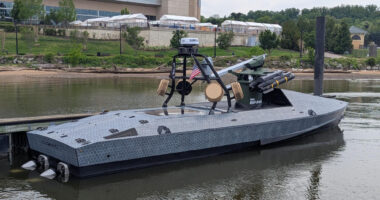
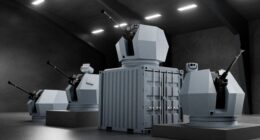
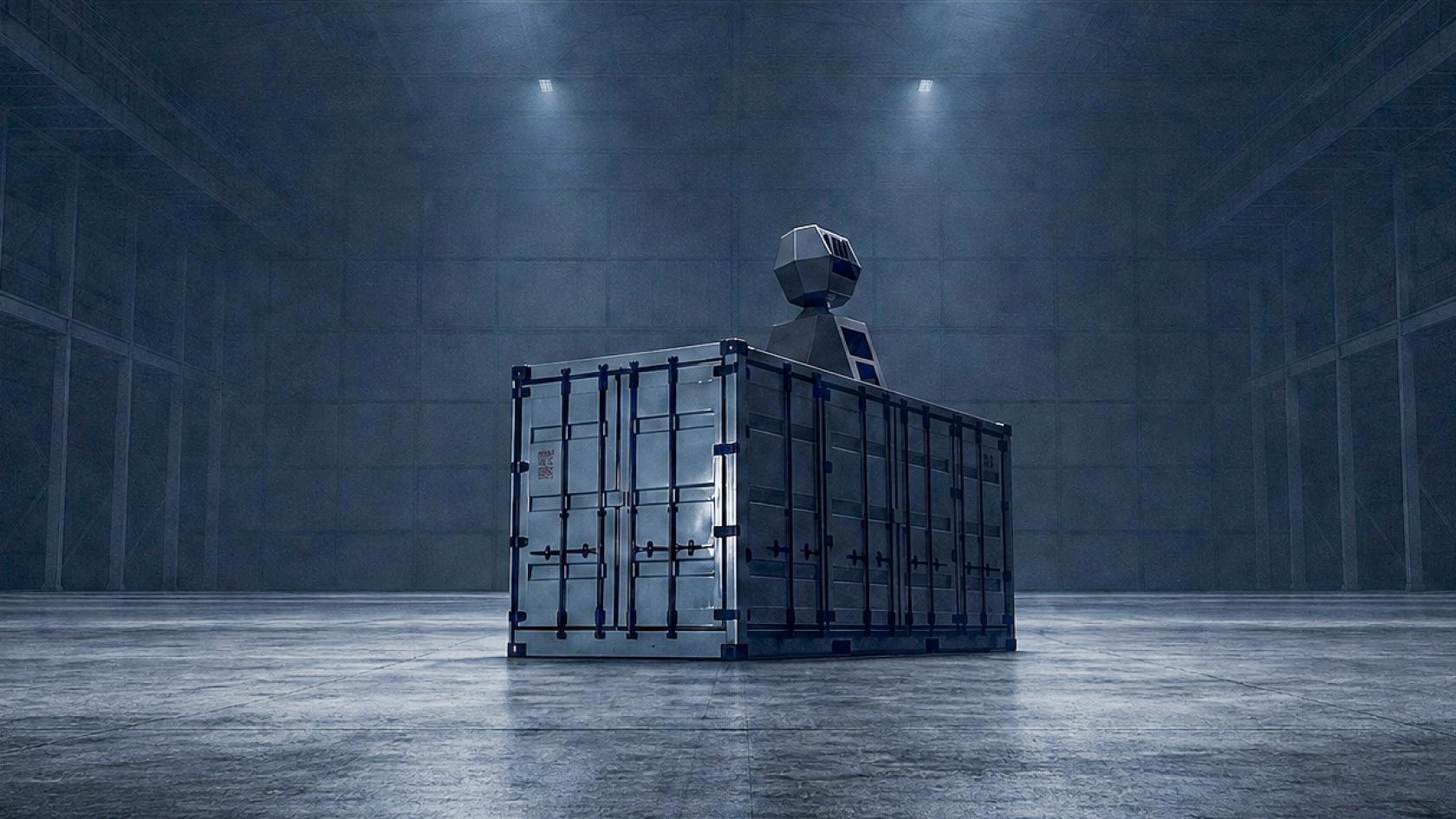
Called Maritime Modular Capability, the system brings different types of naval equipment together inside a single 20-foot (6-meter) container that can be loaded onto crewed ships, uncrewed vessels, or placed on land.
Presented at Euronaval 2026, the container is designed to give naval forces access to several capabilities wherever they are needed, rather than requiring each vessel to carry all the equipment itself.
Inside, the system can house radars, sonars, and electronic warfare equipment for detecting and monitoring potential threats, along with tools for navigation, communications, and controlling weapons.
This setup also allows navies to move the container to another platform or replace and upgrade its equipment as their needs change, without having to make major modifications to the vessel.
“Navies increasingly need the ability to integrate and update capabilities throughout a vessel’s lifecycle. Thales’ Maritime Modular Capability will deliver that flexibility,” said Erik-Jan Raatgerink, strategy director for Above Water Systems at Thales.
What the Container Can Do
One of the system’s main functions is surveillance, using radars and sonars to detect activity in the air and underwater, while electronic warfare equipment can help identify or respond to electronic threats.
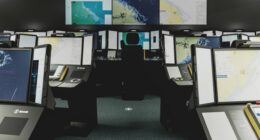
For weapons operations, the container includes Thales’ TACTICOS Combat Management System, which helps crews manage combat systems and coordinate weapon use.
Navies can also add other equipment to the container depending on the tasks they need to perform, making it possible to use the same module for different types of missions.
Thales said the demonstrator is ready for field testing, where its ability to operate across different platforms and environments can be evaluated.
The system also reflects the company’s vision of hybrid naval fleets, in which traditional warships operate alongside uncrewed vessels and share equipment that can be moved or updated as needed.