
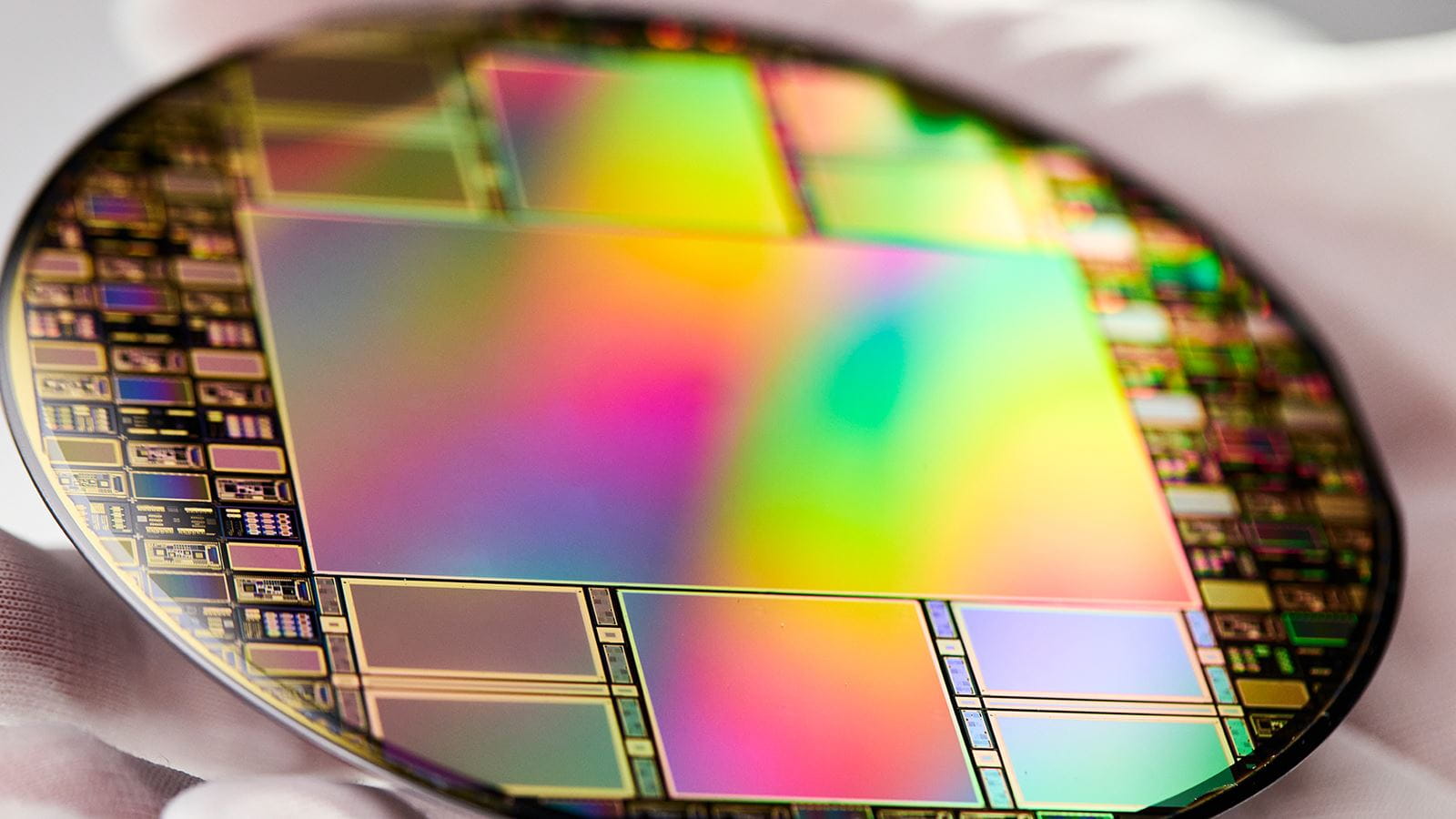
Raytheon is working on a new signal-processing technology that could give military operators more time to react to emerging threats by using light to handle information instead of relying on conventional electronic processing.
The company’s Advanced Technology team received a Phase 1 contract from the Defense Advanced Research Projects Agency under its Photonic Integrated Circuit Architectures for Scalable System Objectives (PICASSO) program.
The project will focus on developing photonic circuits that can process signals entirely through light, removing the need to convert optical information into electrical signals before handling the data.
“By moving critical processing entirely into the optical domain, we can enable significantly faster response times for a broad range of applications,” said Colin Whelan, president of Advanced Technology at Raytheon.
Raytheon said the technology could help military systems handle incoming information faster while maintaining its quality, even as the circuits become smaller and more complex.
The company will draw on its experience in photonics, radio frequency design, and military technology to develop the capability. It will also work with commercial partner Synopsys, which will provide the design and simulation tools.
Processing Information With Light
Most existing photonic circuits use light to carry information but still convert optical signals into electrical form when the data needs to be processed or refined.
Raytheon’s approach aims to eliminate that conversion step, allowing signals to remain in optical form throughout the processing stage.
This could help preserve signal strength and information quality while reducing delays associated with switching between optical and electronic processing.
If successful, the approach could support military systems that need to analyze large amounts of incoming information and respond to potential threats with less delay.