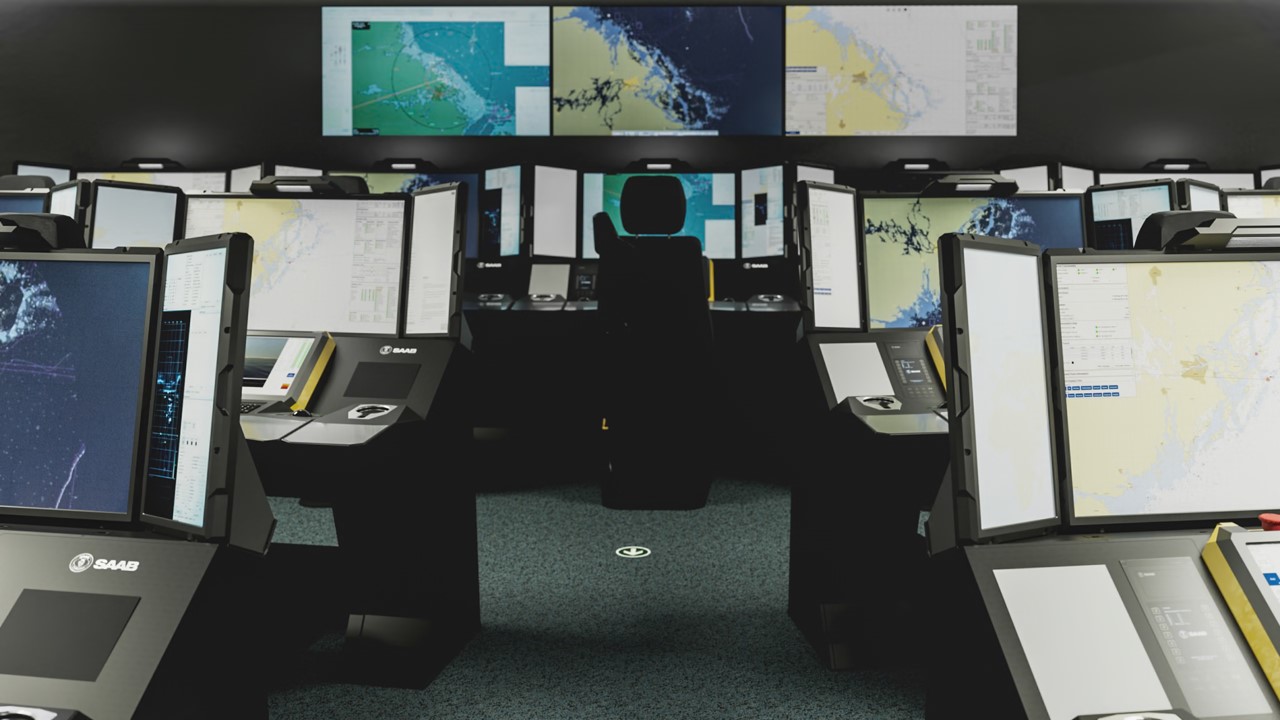
Saab’s 9LV naval combat system has entered a new generation, with an updated architecture designed to help warships manage increasingly complex threats and coordinate operations across multiple domains.
The system brings together sensors, weapons, combat management, and command-and-control functions to give crews a shared operational picture and help commanders make informed decisions during engagements.
Its new data-centric architecture uses a standardized information model and zero-trust cybersecurity to allow information to move securely and quickly between different systems and platforms.
Saab has also separated mission-critical combat functions from cloud-native applications, allowing navies to introduce new capabilities without affecting the core systems responsible for controlling the ship’s combat operations.
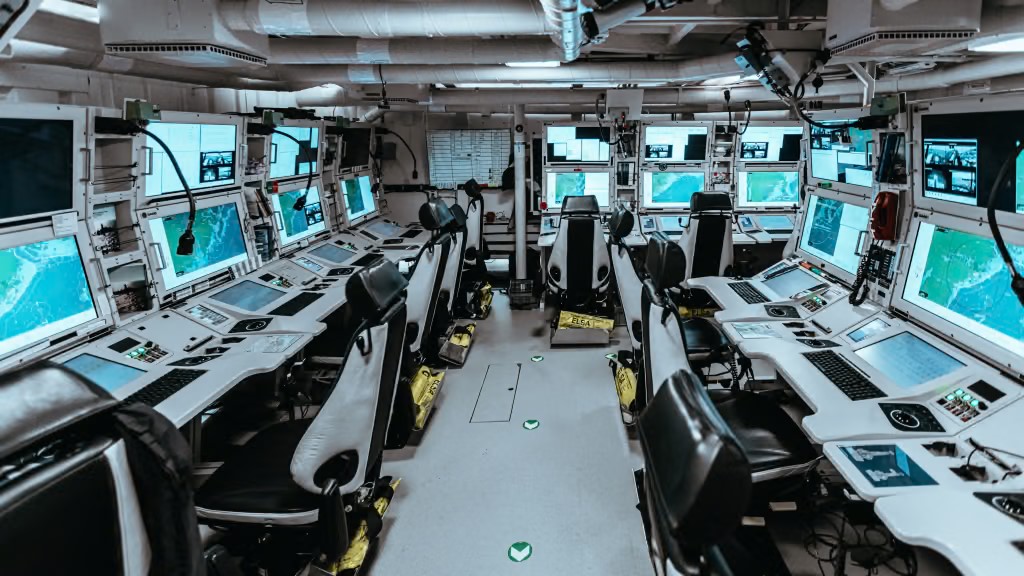
“By allowing naval forces to adapt to evolving threats while protecting the integrity of core combat functions, 9LV stays adaptable and therefore relevant against emerging threats over the ship’s operational life,” said Michael Skarped, head of Saab’s Naval Combat Systems unit.
Designed for Connected Naval Ops
The next-generation 9LV is designed to support information sharing across naval, air, and land forces, helping commanders coordinate operations with allied units and maintain a common operational picture.
The system is also scalable across different vessel types, from large multi-mission warships to smaller platforms, and is designed to accommodate future fleets combining crewed and uncrewed systems.
Its architecture allows navies to integrate additional sensors, weapons, and mission applications as new requirements emerge, without being restricted by older system designs.
By separating essential combat functions from other applications, Saab aims to make the system easier to upgrade while maintaining the security and reliability of a ship’s core fighting capabilities.