
A drone designed to act as a smart decoy for enemy radar is the core idea behind Spectr, a new unmanned aerial vehicle (UAV) developed by UK firm OM Defence Systems.
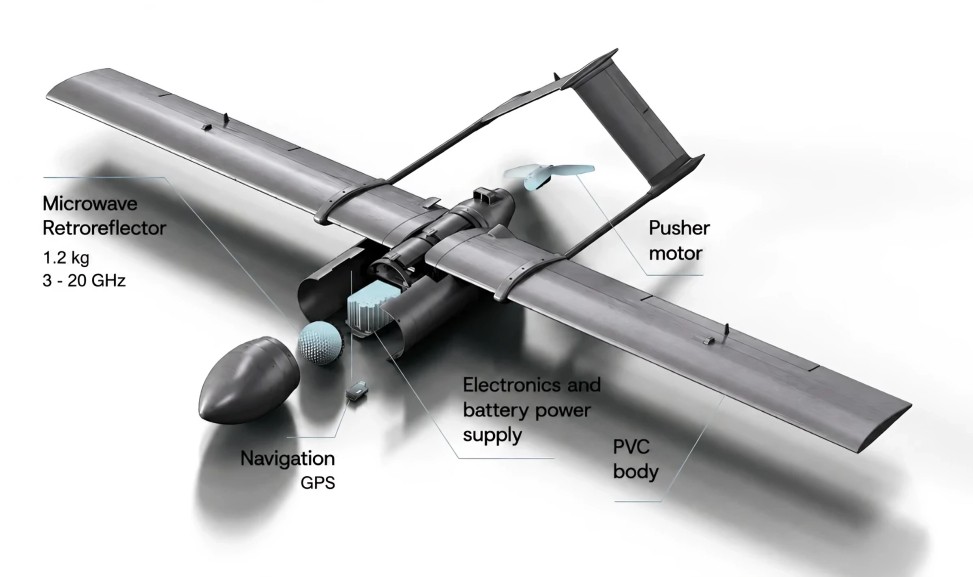
The drone carries a hidden 1.2-kilogram (2.6-pound) microwave retroreflector that operates across the 3-to-20-gigahertz frequency range.
According to the Defence Blog, the device receives incoming radar signals and sends back a stronger return, making the drone appear up to 20 times larger than its actual radar signature.
The enlarged return could cause air defenses to treat the drone as a more significant threat, potentially prompting them to expend valuable interceptors on a relatively inexpensive decoy.
The deception can also expose the location of air defense systems. Once radars begin tracking the drone, their emissions can give away their positions and make them vulnerable to detection.
Spectr UAV in Focus
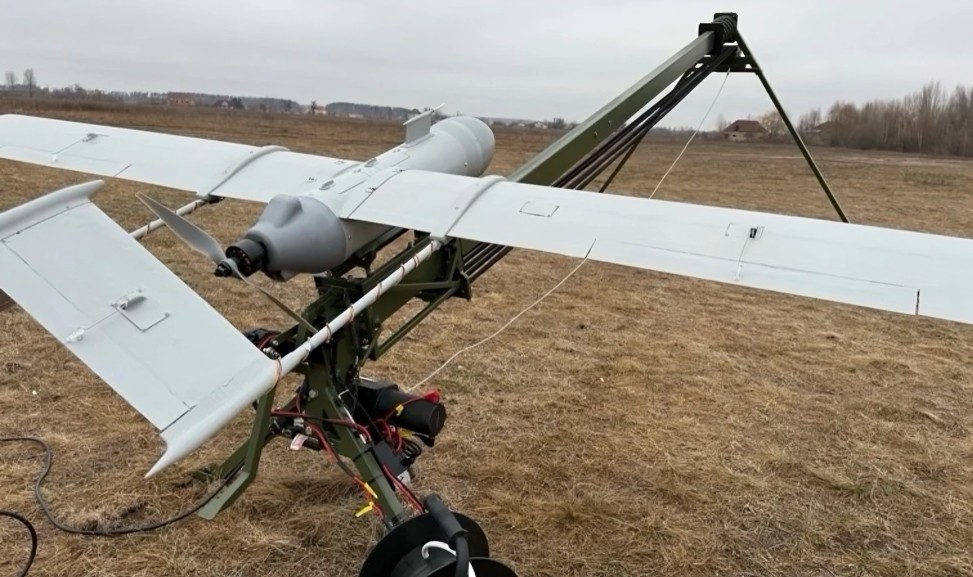
Spectr uses an electric power system, pusher motor, and GPS navigation.
It can be launched from a catapult, eliminating the need for a runway and allowing it to be deployed from dispersed locations with minimal setup.
Made from polyvinyl chloride, Spectr has reached Technology Readiness Level 6, indicating that a prototype has been demonstrated in a relevant environment.
The aircraft is now undergoing field trials with the Ukrainian military.
‘Complementary Layers’
Rather than operating as a standalone system, Spectr is designed to work alongside the Kestrel hard-kill drone interceptor.
Under this concept, the UAV acts as the decoy, drawing the attention of enemy air defenses, while Kestrel handles the final intercept. The company describes the two systems as complementary layers.