

Have robots moved beyond doing only what they are told in code? China said they have pushed past that limit, presenting a machine that mirrors a soldier’s every action in near real-time.
The People’s Liberation Army (PLA) demonstrated the system during the 12th International Army Cadets Week in Nanjing, with a person wearing a lightweight motion-sensing device controlling the robot’s actions.
AI reportedly allowed the machine to mirror the exact movements of its operator with notable accuracy.
“Technology not only forges a more deterrent military ‘sword,’ but also lays a solid foundation for safeguarding peace,” stated Xia Yunfeng, an instructor at the event, as quoted by South China Morning Post.
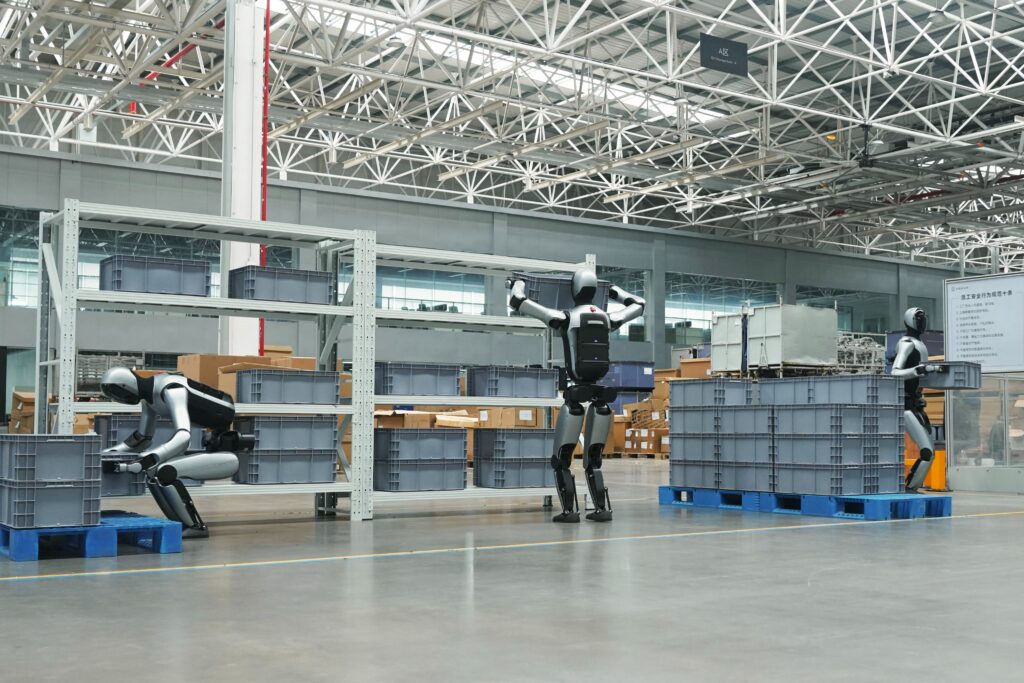
The combat robot was showcased to defense representatives from 13 countries during the event.
While production timelines and additional capabilities remain undisclosed, the PLA said the new soldier-controlled robot is part of a wider effort to modernize its fleet with AI-enabled combat platforms.
Other Robotic Solutions on Display
The PLA also highlighted other AI-driven platforms, including a bomb disposal robot operated remotely via voice commands.
It also featured a mine-clearing vehicle that uses AI visual recognition to locate buried explosives.
Earlier this year, Chinese scientists introduced a “brain controller” that can turn bees into cyborg insects, hinting at a broader push into autonomous and semi-autonomous systems.