

China is giving its hypersonic weapons an unusual navigation backup when satellite signals fail.
Researchers at the Guangdong Aerospace Research Academy have reportedly developed a self-contained, star-based navigation system that can operate without relying on satellite signals or electromagnetic inputs.
The tech works by tracking the apparent movement of stars to determine a vehicle’s position and motion during flight.
Researchers used extensive star databases and prototype hardware to develop a system capable of supporting hypersonic speeds.
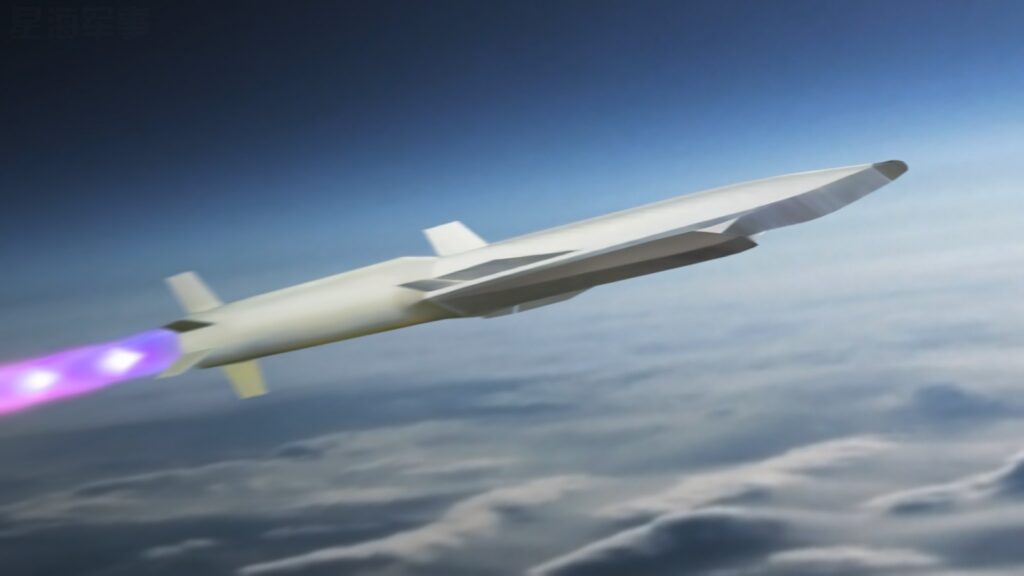
They also studied how the intense heat and airflow around a hypersonic vehicle can distort starlight, then developed software to simulate these effects.
The system can use those simulations to predict and compensate for changes during flight while accounting for radiation effects.
How Accurate Is It?
Initial tests showed the system could identify star patterns with 99 percent accuracy under ideal conditions, according to the researchers.
When strong interference conditions associated with high-speed flight were introduced, the prototype reportedly maintained 80 percent accuracy.
The star-based system could also reportedly determine a vehicle’s orientation within 5 arcseconds, a level of precision comparable to that of modern spacecraft star trackers.
Beyond Hypersonic Flight
The researchers also identified potential commercial applications for the technology, including aerospace programs that have reportedly generated nearly 10 million yuan ($1.5 million) in new sales.
The system could also be used to test aircraft engines and monitor combustion inside industrial boilers.
“It can provide real-time views of what is happening inside combustion chambers, helping upgrade industrial chains in aerospace equipment and high-end inspection,” the study wrote, as quoted by South China Morning Post.