Starfighters Space wants to give emerging defense and aerospace technologies longer exposure to sustained Mach 2+ flight conditions, paving the way for improved testing of future hypersonic systems.
This capability will come through the company’s “Wind Tunnel in the Sky,” a reusable underwing platform designed to bring laboratory-style testing into real-world flight.
It aims to help military forces, government agencies, and defense companies assess how advanced systems could endure the rigors and stresses of high-speed operations.
Traditional wind tunnels typically provide only seconds-long test windows, forcing researchers to conduct repeated trials over days to validate the performance of sensors, electronics, and other critical components.
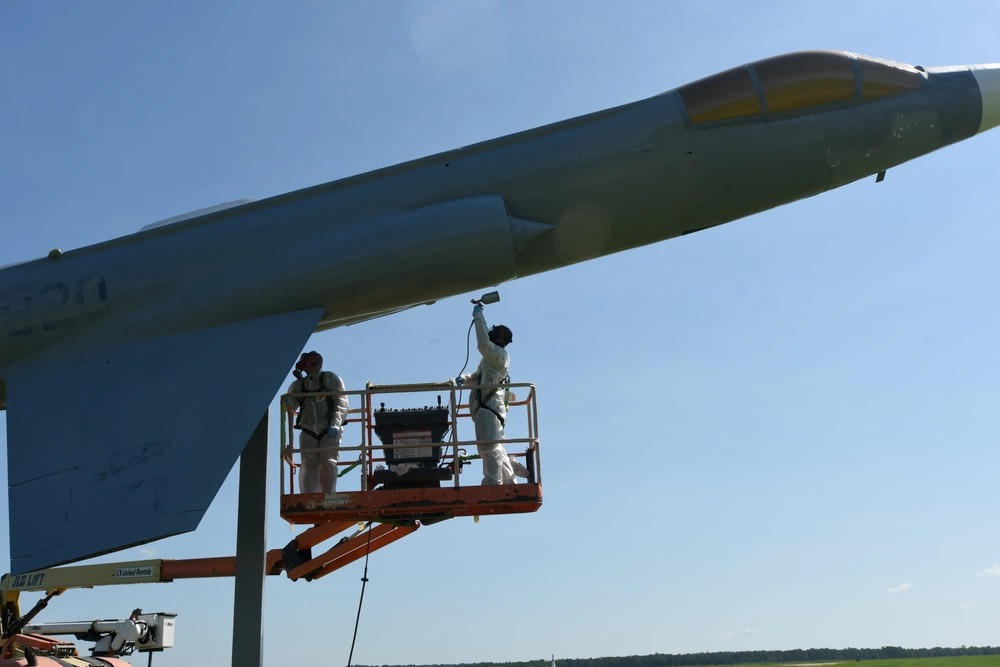
Starfighters’ platform is designed to extend that process into a single 45-minute flight session, allowing customers to test hypersonic-related technologies, advanced sensors, and avionics systems under more realistic conditions.
The modular system can accommodate a range of tactical payloads, exposing them to flight environments that are difficult to replicate in fixed testing facilities.
Expanding Test Access
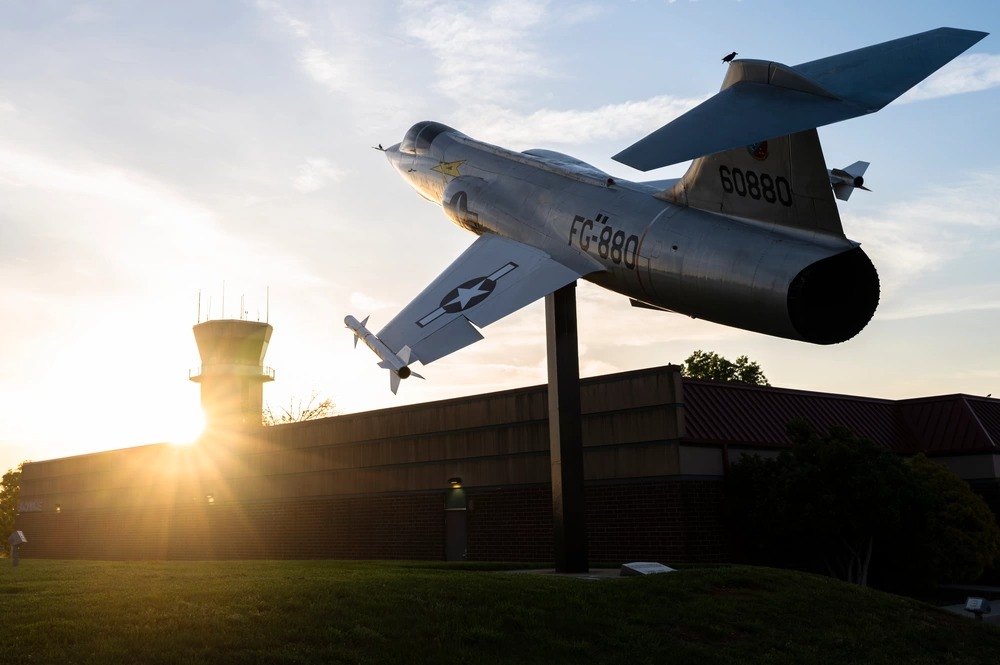
The company said it is moving the platform into the next phase of development using aircraft from its operational F-104 fleet.
Starfighters also plans to expand access to its Mach 2-capable fleet for aerospace, defense, and space technology testing as development progresses.
“As demand for hypersonic and advanced aerospace systems continues to grow, access to specialized test infrastructure remains limited, increasing demand for complementary commercial flight-test capabilities,” said Starfighters CEO Tim Franta.
“While ground wind tunnels remain essential for aerospace research and development, airborne testing can expose hardware to combinations of weather variation … that cannot always be fully reproduced in a fixed facility.”