
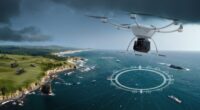
Skana Robotics is adding an innovative edge to maritime logistics with a new amphibious vessel capable of deploying and controlling autonomous systems without relying on traditional control centers.
The Alligator, described as the “first of its kind,” can transition seamlessly from land operations to naval missions, operating either autonomously or under human control.
It is designed to support tactical logistics, moving weapons, sensors, equipment, and even personnel across multiple domains.
Alligator also functions as a launch and recovery platform for underwater assets, including Skana’s legacy autonomous systems.
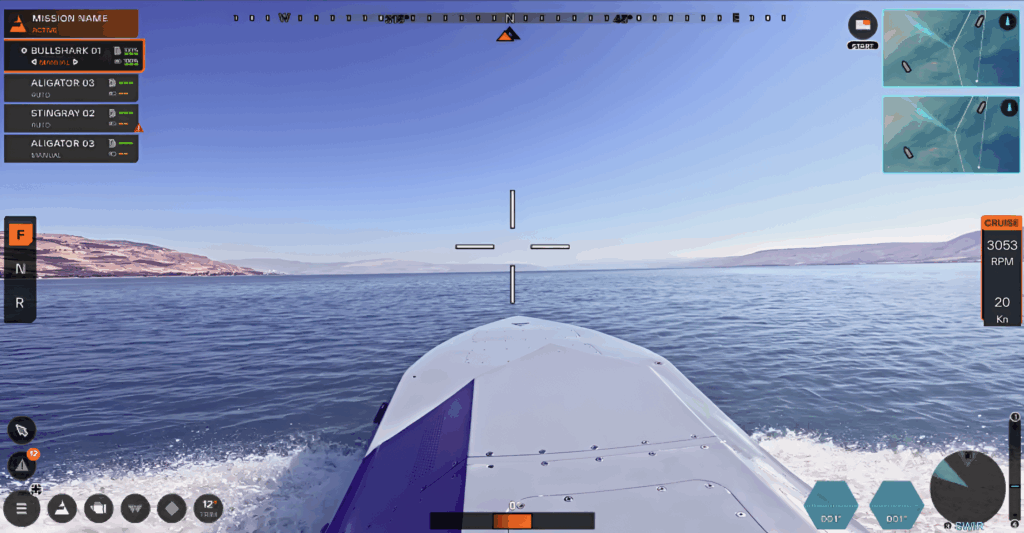
It can carry payloads over 1,500 kilograms (3,306 pounds) and travel more than 300 nautical miles (556 kilometers/345 miles) at speeds up to 40 knots (74 kilometers/46 miles per hour).
“The maritime domain demands autonomy that can survive complexity, adapt instantly, and operate without compromise,” said Skana Robotics Co-Founder and Chief Executive Officer Idan Levy.
Part of a Connected Fleet
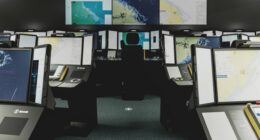
Skana’s SeaSphere mission planning tech links Alligator with both surface and subsurface vessels in real time, enabling coordination of different platforms on land and at sea.
Building on Skana’s Bullshark and Stingray vessels — designed to be deployed “by the hundreds,” — Alligator expands an autonomous fleet that can execute critical naval missions without relying on ships or coastal infrastructure.
“We are making advanced autonomous capabilities accessible and scalable, enabling wide deployment and synergy between systems,” Levy stressed.
“Our ecosystem of vessels and technologies supports real-time data sharing, modular reconfiguration, and both fully autonomous and remotely operated missions, offering navies unmatched operational resilience, adaptability, and flexibility.”