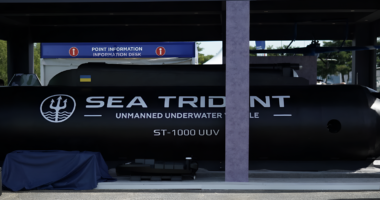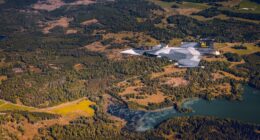
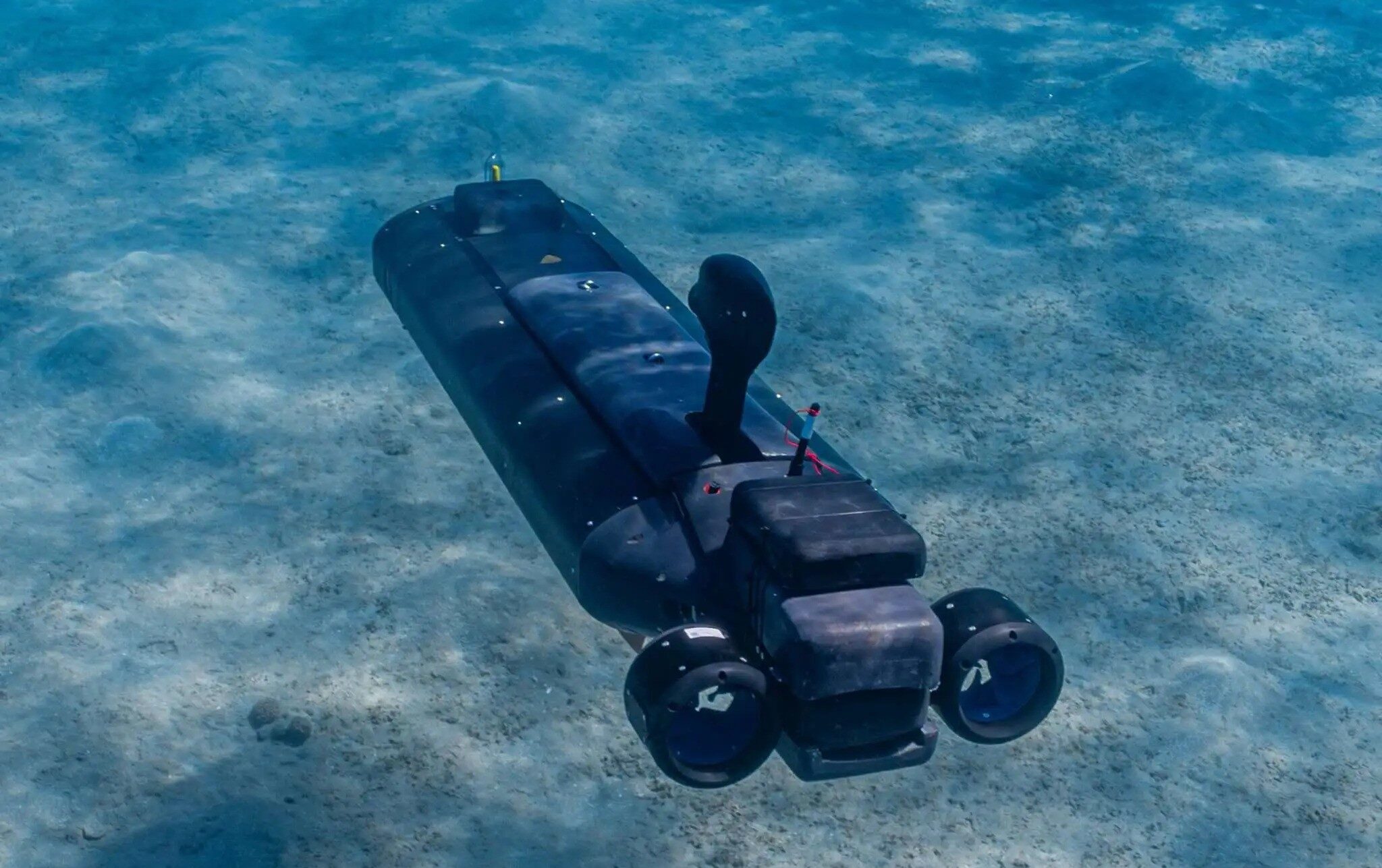
Skana Robotics may have cracked one of the ocean’s toughest challenges: keeping underwater drones communicating without ever surfacing.
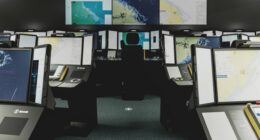
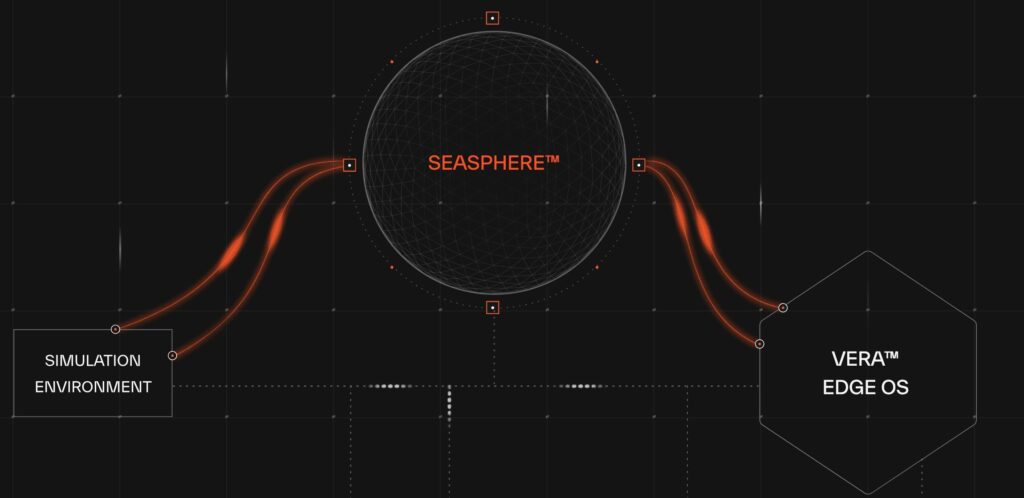
Its new fleet management system, SeaSphere, uses AI to prioritize reliable communication, enabling long-distance data exchange between fully submerged autonomous underwater vessels (AUVs).
According to the company, the tech extends beyond basic data exchange, allowing entire fleets of AUVs to make coordinated decisions in real time.
When a vessel detects an obstacle, threat, or anomaly, it can instantly share that information with other units, which then adjust course, speed, or tasks without human oversight.
“Communication between vessels is one of the main challenges during the deployment of multi-domain, multi-vessel operations,” said Idan Levy, Co-founder and CEO of Skana Robotics, as quoted by TechCrunch.
“The problem that we tackle is how you can deploy hundreds of unmanned vessels in an operation, share data, communicate on the surface level, and under the water.”
SeaSphere reportedly supports both military and civilian missions, from securing ports and pipelines to monitoring undersea cables and supply routes.
Fixing Undersea Comms
Underwater communication is notoriously challenging because radio waves lose power rapidly in seawater, and acoustic signals are limited by range, speed, and interference.
Traditionally, AUVs must surface to transmit data, exposing them to detection and creating a critical vulnerability in contested waters.
SeaSphere aims to change that. The AI-driven software lets vessels share information across long distances while remaining fully submerged, maintaining both connectivity and stealth.
Real-world testing is expected in 2026.