

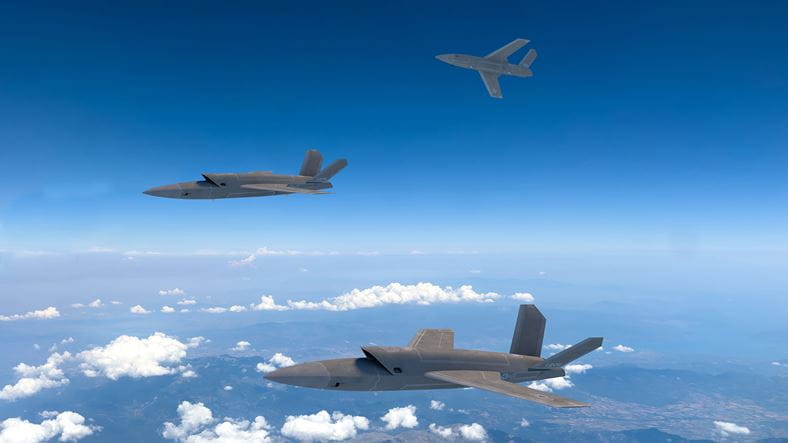
Semi-autonomous collaborative aircraft could soon receive a new propulsion system as RTX subsidiary Pratt & Whitney has completed a key design milestone for its Valox 1500 engine.
The company said a digital assessment indicates the engine remains on track to deliver performance, cost efficiency, and a faster transition into production.
Pratt & Whitney said its investment in digital engineering has reduced development risk and allowed the team to shift focus toward preparing the design for follow-on ground testing.
The achievement follows a US Air Force contract worth more than $10 million awarded to the company in late 2025 to continue maturing the engine.
“This milestone reflects Pratt & Whitney’s agility and commitment to delivering critical capability to the warfighter at speed,” said Jill Albertelli, president of Pratt & Whitney Military Engines.
“By optimizing the engine design for reduced mission life and moving beyond traditional development timelines, our team is bringing forward a more affordable, scalable propulsion solution for emerging operational needs.”
Built for Diverse Applications
The Valox 1500 is part of Pratt & Whitney’s Valox engine family, which covers thrust classes ranging from 500 to 1,800 pounds (227 to 816 kilograms).
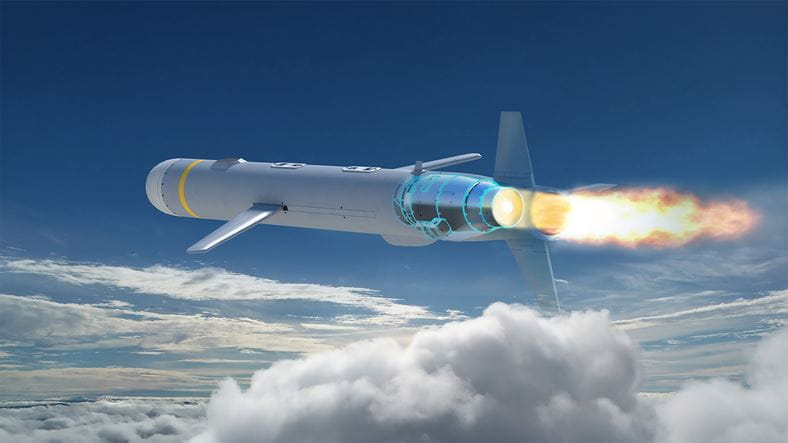
Unlike traditional engines, the propulsion incorporates collaborative digital tools and additive manufacturing designed to shorten development cycles from years to months.
It is designed to power a wide range of emerging military platforms, including effectors and autonomous systems.
“These engines are optimized across performance, cost, and life to deliver capability at the speed and scale required,” the company stated.