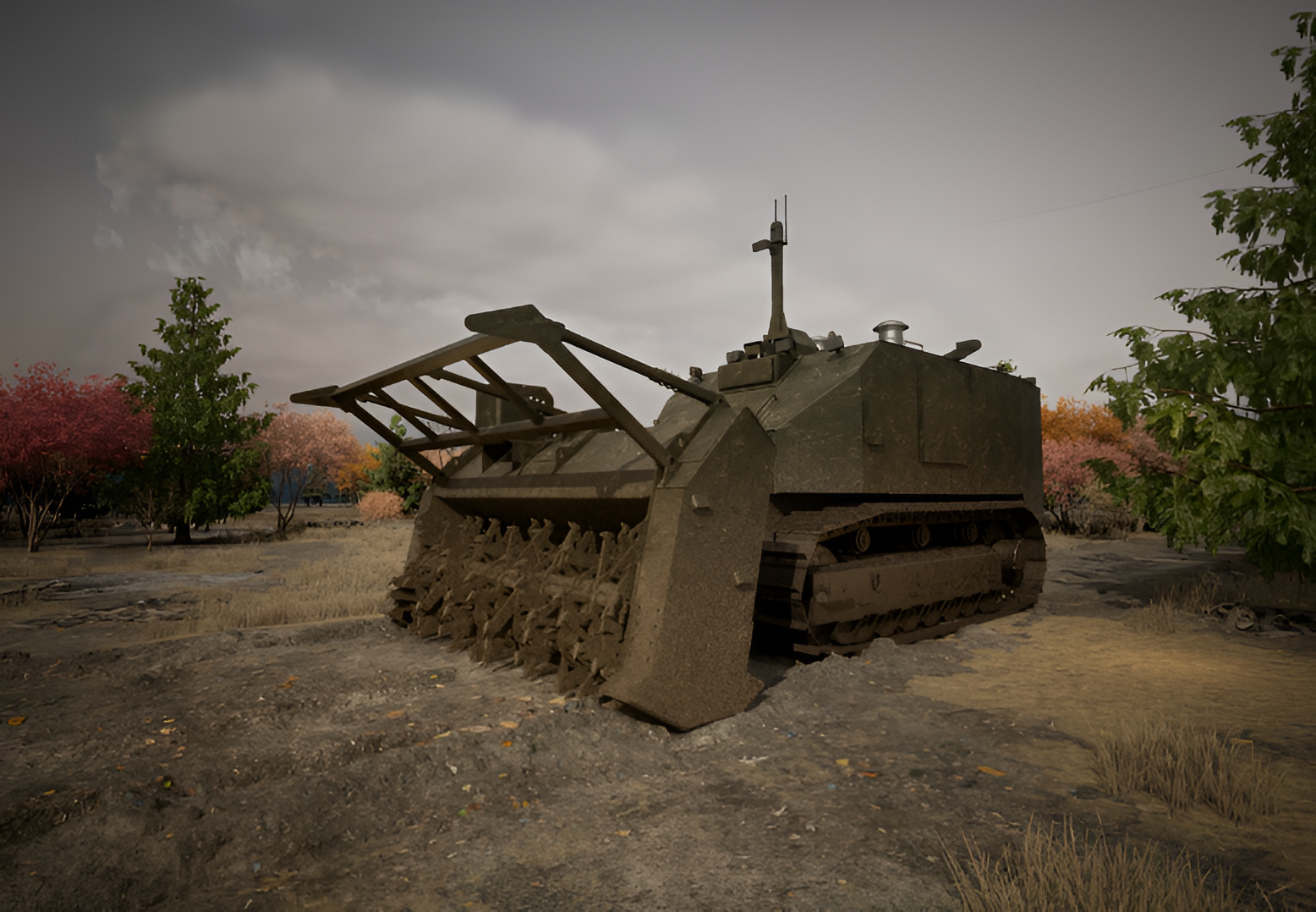
Pearson Engineering has transformed its MineWolf 370 (MW370) into an uncrewed mine-clearing platform, aiming to reduce crew exposure during high-risk missions.
The new variant is designed to automate more of the mine-clearing process, keeping operators farther from danger while extending the system’s service life compared with legacy platforms.
It features a reinforced frame for improved ballistic protection and a real-time video system that streams feeds to a single screen, helping operators maintain situational awareness.
Pearson also said the next-gen platform improves both anti-personnel and anti-tank mine clearance, and can carry up to 15 kilograms (33.1 pounds) of explosive devices.

“The MineWolf 370 has a proven track record of life-saving capacity around the world,” Pearson Chief Executive Ian Bell said.
“Uncrewed solutions like the MW370 Next Generation offer groundbreaking opportunities to preserve and protect the lives of our allies like never before.”
Clearing the Way
Pearson said it intends to support the system throughout its lifecycle, offering training, maintenance, and future upgrades.
The platform is already capable of clearing mines across areas of up to 4,500 square meters (48,438 square feet) in just an hour.
The company also fitted the MW370 with a remote control system that has an operational range of over 3,000 meters (9,843 feet), improving a platform that had already been successful in uncovering mines in war-torn Ukraine.
“Backed by extensive upgrades and innovative research and development, [the MW370] reflects our commitment to protecting humanitarian and allied military forces with the safest technology,” Pearson Director of Engineering Jason Riby stated.