Israeli-based Skana Robotics has unveiled a new pair of autonomous maritime systems: the Bull Shark autonomous surface vessel (ASV) and the Stingray autonomous underwater vessel (AUV).
The company said the platforms reflect its push toward scalable, software-driven naval systems that can operate seamlessly with both crewed ships and unmanned fleets.
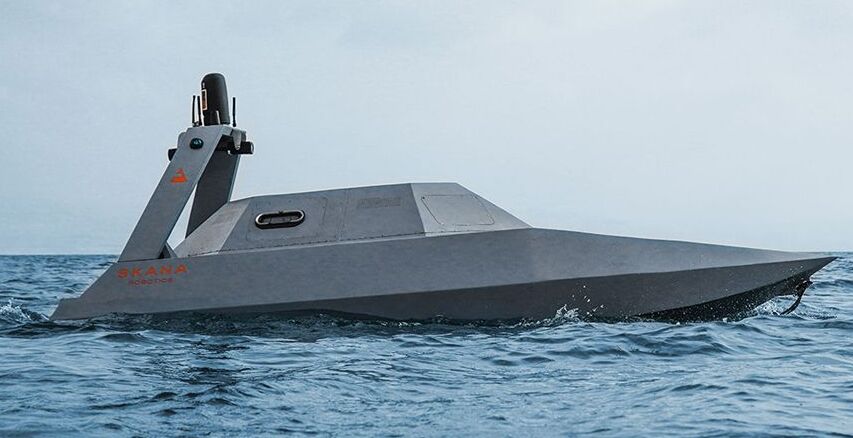
Bull Shark ASV
The Bull Shark is designed to handle surface operations, carrying up to 150 kilograms (330 pounds) of payloads and coordinating surface and subsurface assets.
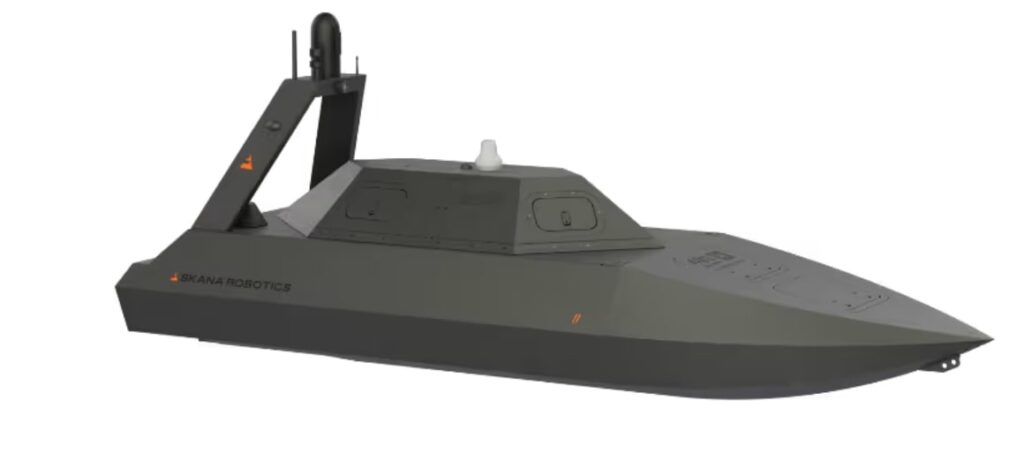
It features advanced tracking, loitering, and strike capabilities, with a maximum speed of 50 knots (93 kilometers/58 miles per hour) and a range of 120 nautical miles (138 miles/222 kilometers).
The vessel supports both autonomous and remote operations, offering versatility for intelligence, surveillance, and reconnaissance (ISR), interdiction, and communications missions.
Stingray AUV
The Stingray is a deep-sea loitering vessel capable of ISR, anti-submarine warfare, and infrastructure protection. It also supports seabed anchoring, silent standby, and reactivation for extended missions.
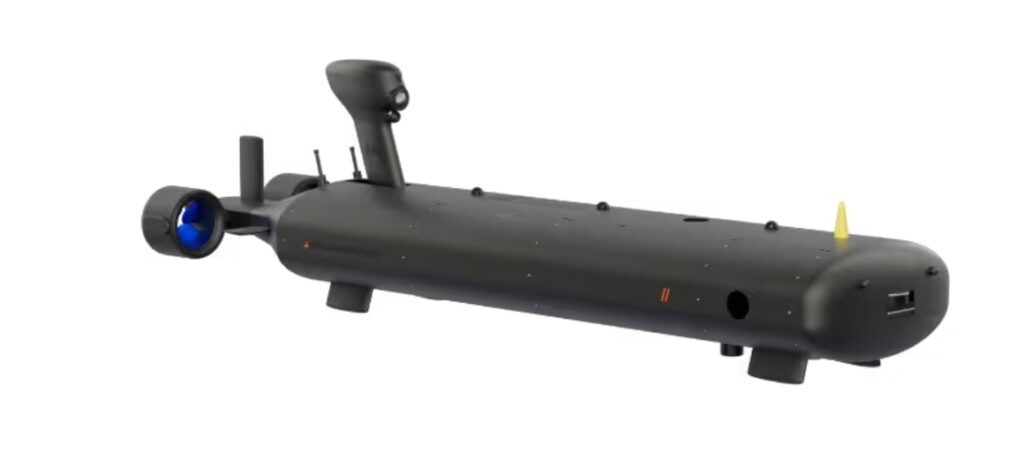
With modular payloads up to 15 kilograms (33 pounds), it can carry sonar, electronic intelligence, and strike mapping systems.
The vessel reaches depths of 300 meters (984 feet), travels up to 45 nautical miles (52 miles/83 kilometers), and reaches 12 knots (22 kilometers/14 miles per hour) underwater.
Its 24-hour battery life is extendable through modular packs, with support for underwater charging.
Software Backbone
Skana built the vessels for mass production, NATO-standard integration, and interoperability with existing fleets.
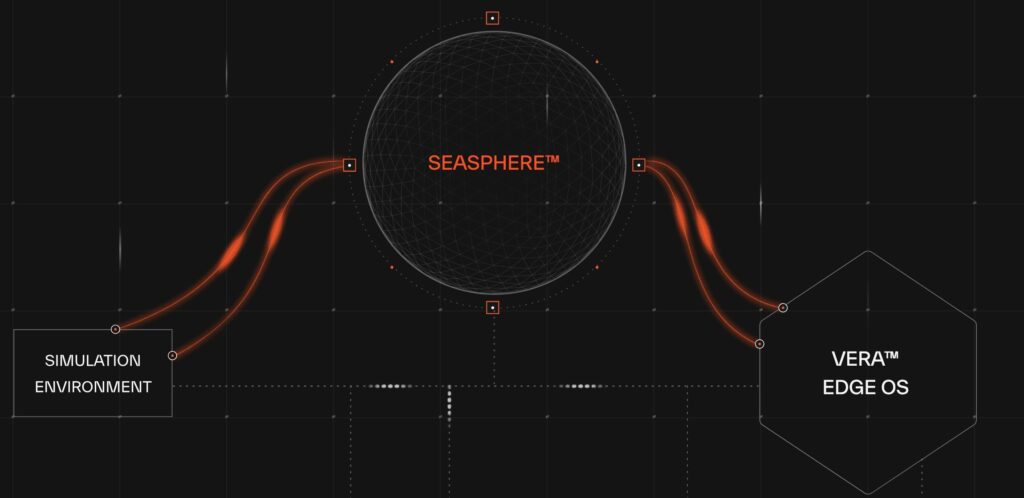
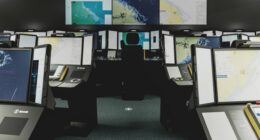
At the heart of the systems are two software platforms: SeaSphere, handling mission planning and resource allocation, and Vera, which translates fleet-wide commands into localized autonomous actions.
Vera also allows the vessels to adapt to environmental changes in real time and enables manned-unmanned teaming.
“The maritime domain demands autonomy that can survive complexity, adapt instantly, and operate without compromise,” said Idan Levy, CEO of Skana Robotics.
“Our ecosystem of vessels and technologies supports real-time data sharing, modular reconfiguration, and both fully autonomous and remotely operated missions, offering navies unmatched operational resilience, adaptability, and flexibility.”