
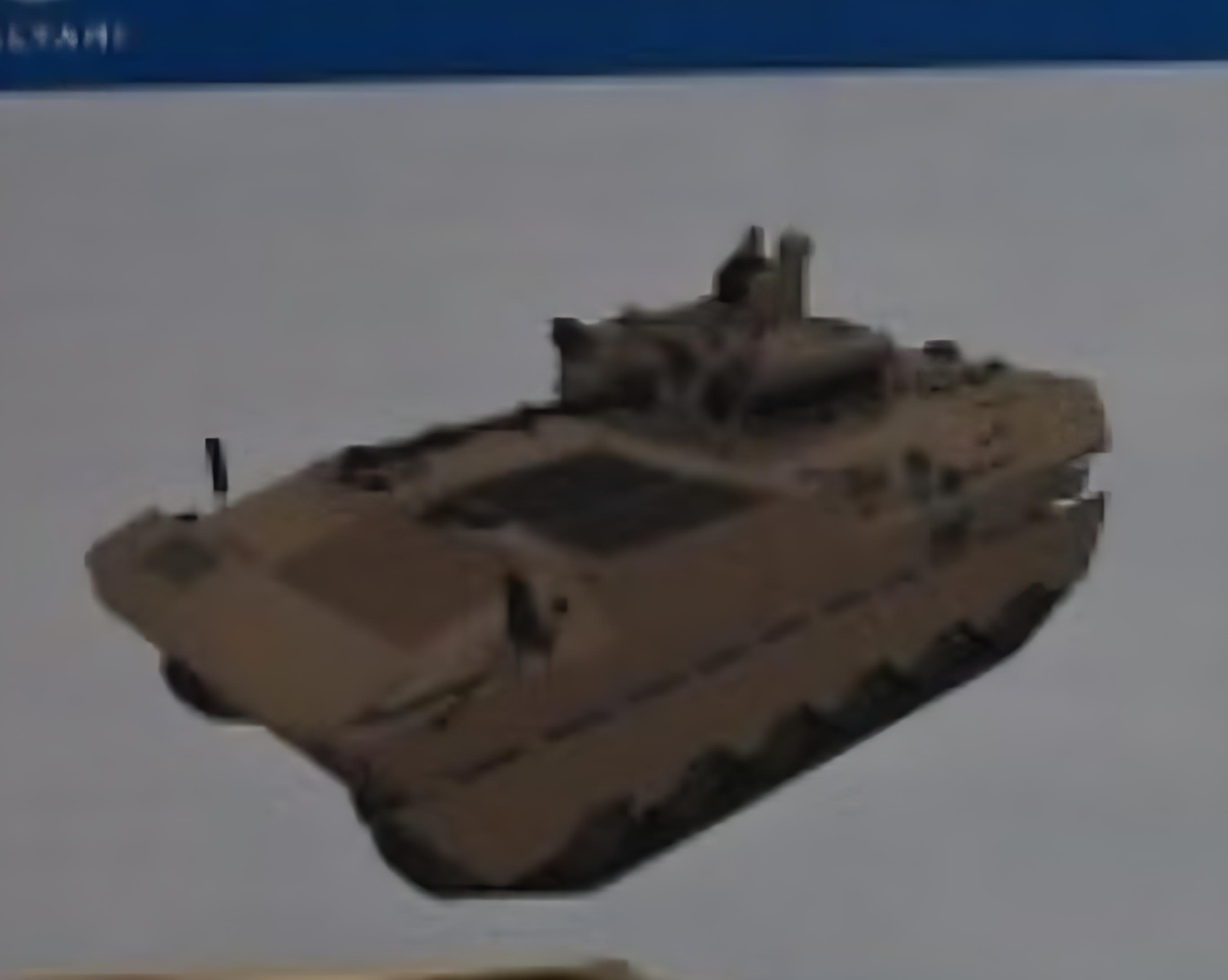

Capping off months of construction, Tata Advanced Systems has unveiled the Advanced Armored Platform – Tracked (AAP-Tr) vehicle, its vision for India’s next-generation of infantry combat vehicles.
Built around a V-hull chassis, the vehicle is designed to better absorb blasts from mines and improvised explosive devices. Its external frame can reportedly absorb explosions equivalent to 15 kilograms of TNT.
Inside, layers of ceramic-composite panels shield troops from armor-piercing rounds and rockets without sacrificing mobility.
The AAP-Tr departs from usual wheeled design of India’s legacy armored vehicles, instead using tracks for greater maneuverability over mud, rubble, and steep terrain.
The design also enabled up to 500 millimeters of ground clearance, giving it the reach to navigate Himalayan trenches and narrow mountain roads.
As an offensive option, the platform integrates a remotely-operated 30mm cannon with anti-tank guided munitions and 360-degree targeting.
The vehicle’s open architecture implies it can also be fitted with other plug-and-play turrets, missile launchers, or thermal imaging systems for expanded battlefield roles.
India’s Mobile Defender
The AAP-Tr is powered by a 720-horsepower diesel engine with an automatic transmission for smoother handling.
Its drivetrain and steering system allow operators to maintain control across deserts, valleys, and high-altitude passes.
Tata’s common electric mission tech also links the vehicle to the Indian Army’s management systems and radio networks, allowing seamless transmission of battlefield data in real time.
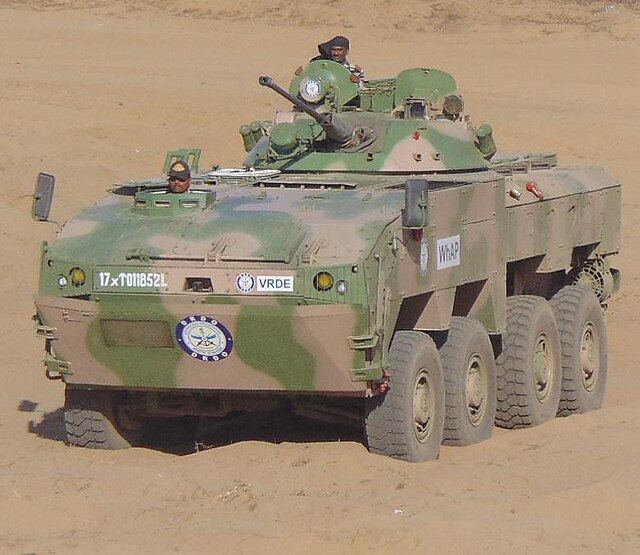
The company developed the tracked platform as part of the country’s Futuristic Infantry Combat Vehicle program, with an amphibious variant reportedly in the works for coastal and maritime operations.
The AAP-Tr could enter the field for initial trials by next year, while mass production is projected by 2028.