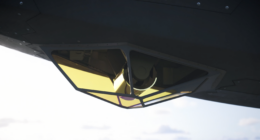

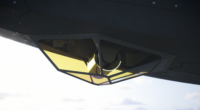
The US Army is upgrading the Javelin missile with a new “brain” that could help the famous tank killer better detect, track, and engage threats on the battlefield.
At the center of the upgrade is a next-generation infrared seeker that will replace outdated components in the missile’s existing guidance section. Kratos Defense & Security Solutions will develop, build, and test the new system.
The work will be carried out at Kratos’ Advanced Manufacturing Center in Birmingham, Alabama, while testing will take place at US Army government facilities.
The effort comes under a contract awarded to Kratos by the US Army Combat Capabilities Development Command (DEVCOM) Command, Control, Communications, Computers, Cyber, Intelligence, Surveillance and Reconnaissance (C5ISR) Center.
“Kratos has made the investments, built the credentialed team, and delivered the capabilities to win, execute, and deliver a production-ready seeker that keeps Javelin lethal for the soldiers who depend on it,” said Michael Johns, senior vice president of Kratos Defense.
“We are proud to support the US Army in sustaining one of its most important close combat weapons, and this award is a reflection of everything Kratos stands for: affordable, mission-critical hardware, delivered.”
Javelin’s DNA
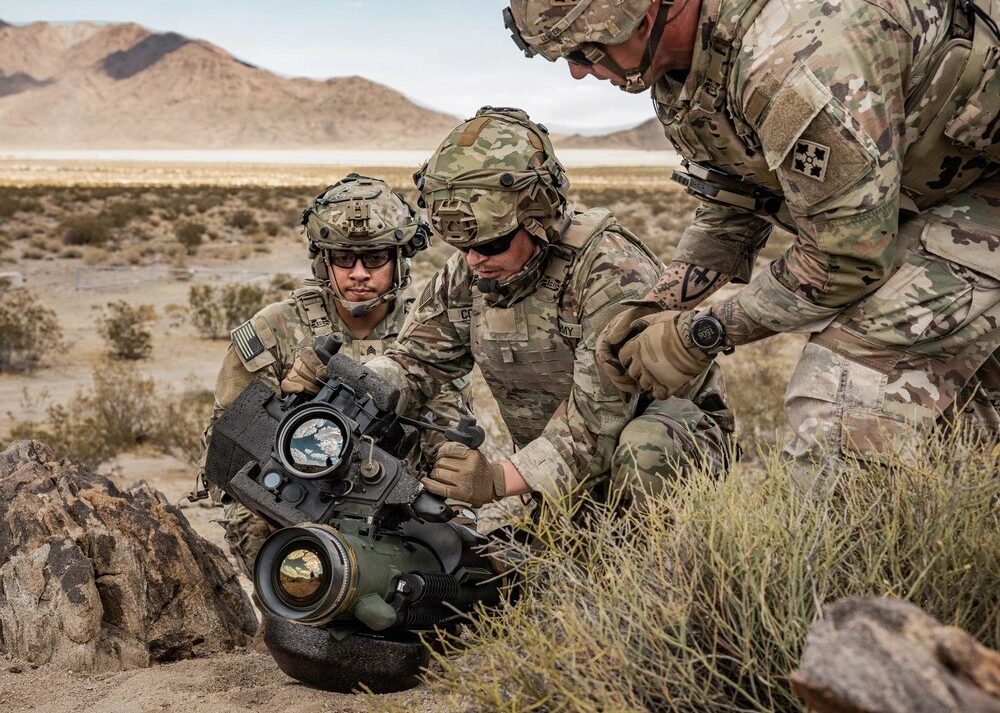
The FGM-148 Javelin features a Command Launch Unit (CLU) equipped with day and night thermal sights that help operators identify and lock onto targets in low-visibility conditions.
The weapon is designed to defeat armored targets, including tanks and other combat vehicles, as well as bunkers and hardened infrastructure.
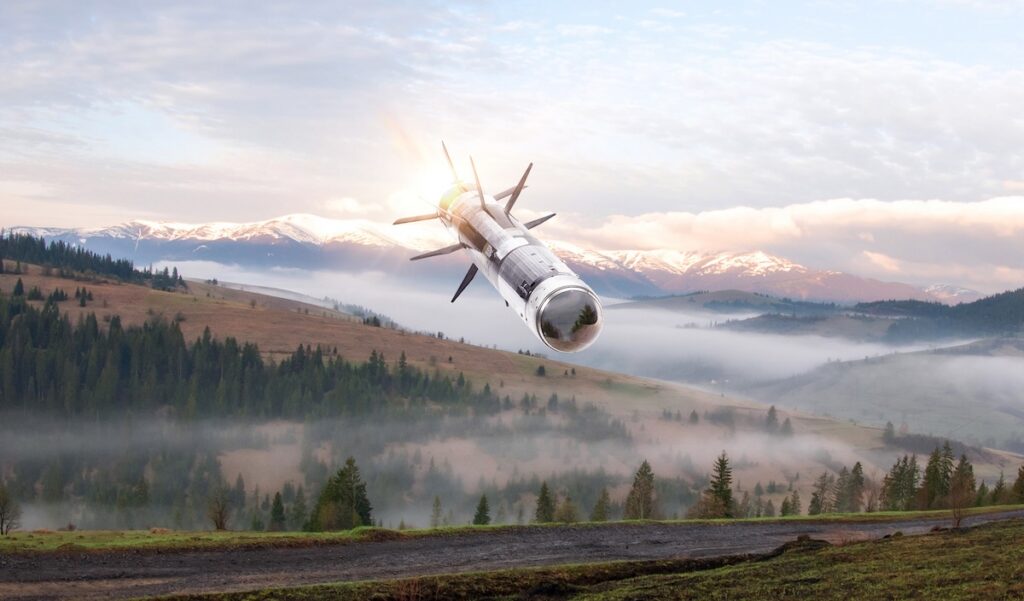
With an engagement range of 65 meters (213 feet) to 4 kilometers (2.48 miles), the Javelin can also use a top-attack mode to strike the most vulnerable areas of armored vehicles.
Developed through a partnership between RTX and Lockheed Martin, the Javelin can also be launched remotely from an uncrewed ground vehicle.