Ukraine has found an unconventional approach to striking deep behind enemy lines while reducing the risk of detection: launching rockets from high-altitude balloons.
Its new “DART” rocket, developed by the Center of Innovative Technologies Program, is designed to be dropped from stratospheric balloons at altitudes of up to 18 kilometers (11 miles).
Special servo drives ensure the rocket ignites at the correct moment while maintaining stability throughout its flight.

The DART measures 1.8 meters (6 feet) long and has an empty weight of 13 kilograms (29 pounds).
Its modular warhead can be configured for different mission profiles, weighing between 3.5 kilograms (8 pounds) and 10 kilograms (22 pounds), and reportedly incorporates graphite impact elements.
Hiding From Enemy Radars
A navigation system guides the DART during the initial phase of its flight.
Once it descends to an altitude of about 6 kilometers (4 miles), the guidance system shuts down and the rocket transitions to a solid-fuel engine for the remainder of its mission.
From that point, it continues toward its target without altering its preassigned flight path, making it more difficult for enemy electronic warfare systems to detect or disrupt during its terminal phase.
The developer said the DART is expected to undergo codification by Ukraine’s Ministry of Defense, with plans to adapt the technology for future ballistic and surface-to-air missile systems.
More Range, Less Cost
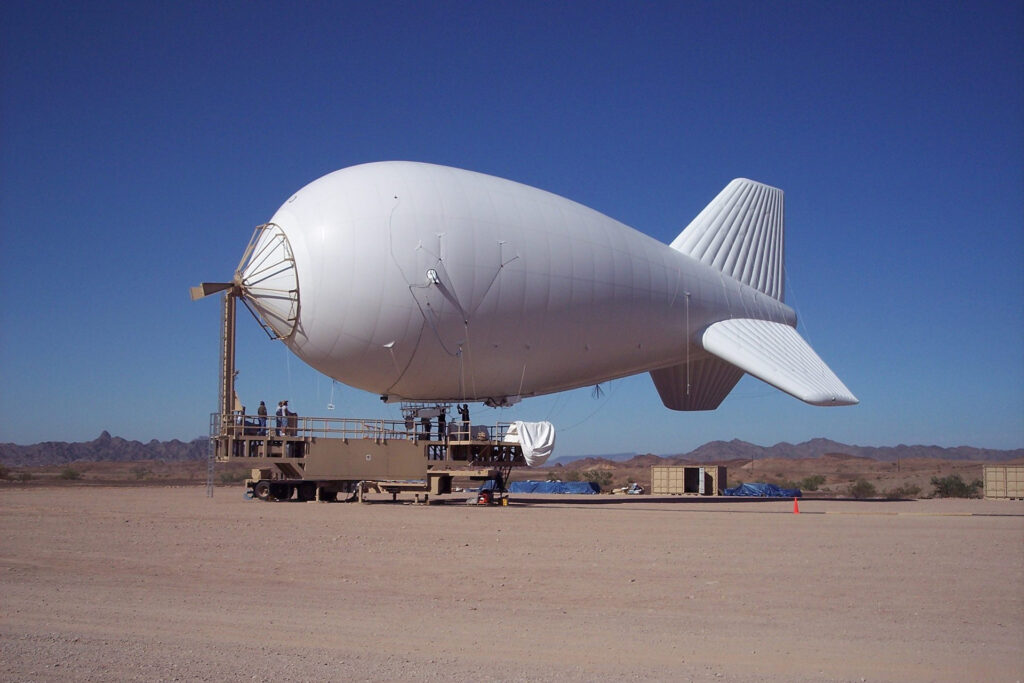
Balloons can ride wind currents and drift hundreds of kilometers toward intended targets while carrying payloads, effectively extending the reach of strike systems beyond conventional launch sites.
Their low-cost design also means they can force opposing forces to respond with expensive air-defense systems to neutralize targets that reportedly cost only hundreds of dollars to deploy.
Retired Ukrainian Army officer Col. Viktor Kevliuk said Ukraine has used more than 1,000 balloons in operations related to the conflict with Russia, noting that the systems function as a supporting element for long-range strike capabilities.
“They are inexpensive, inconspicuous on radars, can hang in the air for a long time and carry a payload,” he told Euromaidan Press.