
South Korea has flown its homegrown hypersonic glide vehicle (HGV) for the first time, pushing the country a step closer to its goal of reinforcing defense capabilities.
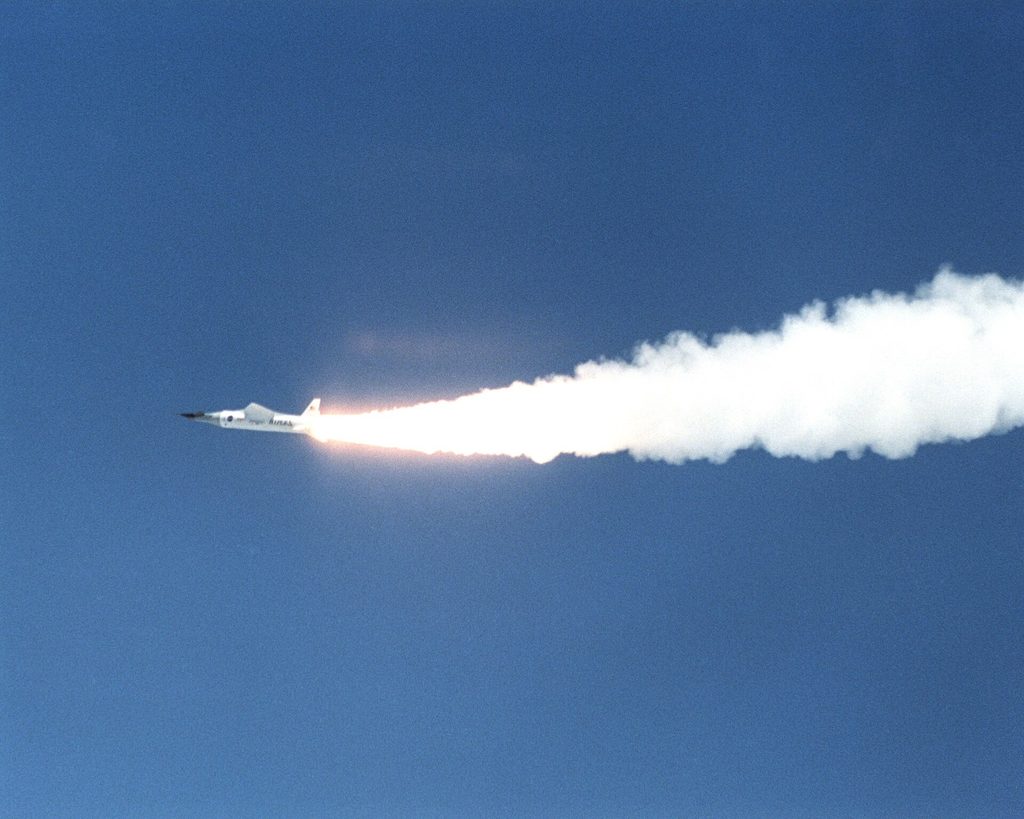
During the test, the HGV reportedly separated from its booster and followed a planned flight path at high speeds, including at lower altitudes.
En route to a designated target, the vehicle performed horizontal and vertical flight maneuvers before hitting its mark with precision.
The test also aimed to assess the vehicle’s heat resistance and determine whether its guidance and control systems could remain accurate and stable under extreme conditions.
South Korea reportedly envisions the HGV as a deterrent on the Korean Peninsula, where it could be used to engage incoming threats.
Its speed and maneuverability could also help the country’s military reach high-value targets while making interception more difficult for adversary air defenses.
Room for Improvement
While the maiden flight marks a milestone for South Korea’s domestic weapons development, further testing will be needed to establish the HGV’s reliability and operational effectiveness.
Beyond speed, the system must demonstrate consistent targeting accuracy and reliable performance under different flight conditions.
Its compatibility with existing military infrastructure, including command-and-control networks, will also be important to its eventual deployment.
As countries around the world invest in hypersonic weapons, South Korea will face the challenge of advancing its program while ensuring the system can meet its intended military requirements.