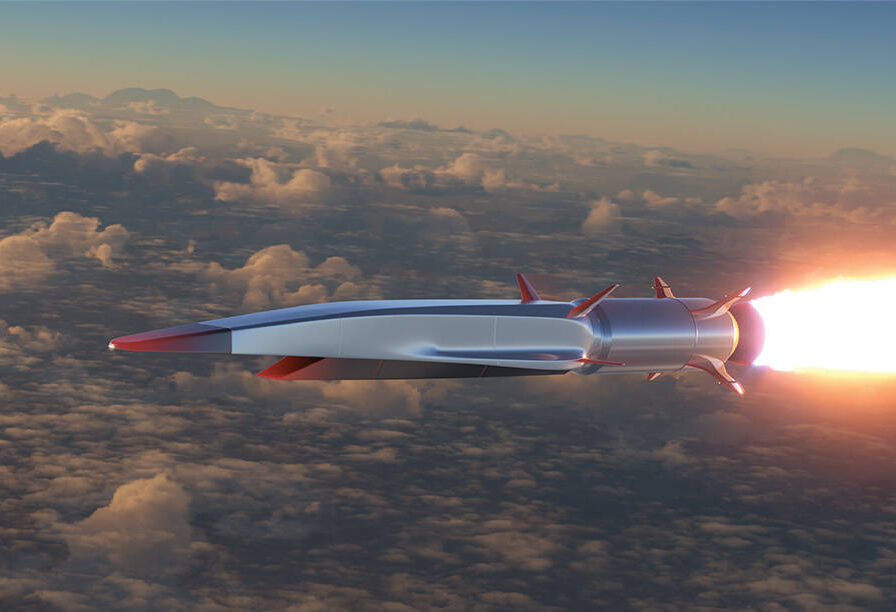

US defense contractor General Dynamics Mission Systems has tested a radio-frequency navigation technology designed to help hypersonic vehicles maintain their course in GPS-denied environments.
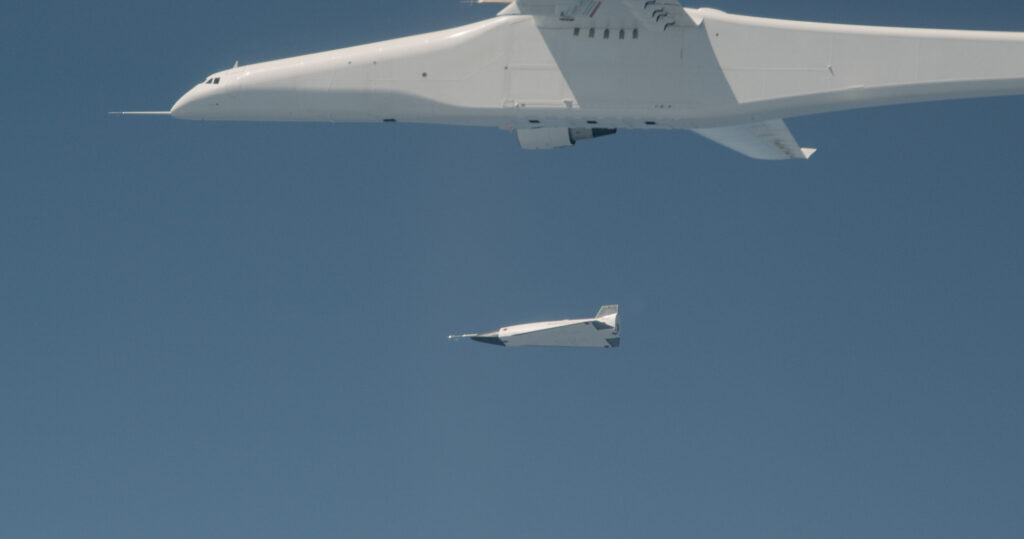
Conducted with the US Army Combat Capabilities Development Command’s Aviation and Missile Center, the trial integrated the company’s Multiple Orbit Navigation (MO-Nav) system into the reusable Talon-A test vehicle.
According to the company, the demonstration showed that Talon-A could navigate without GPS at speeds exceeding Mach 5 (6,174 kilometers/3,836 miles per hour).
MO-Nav is a compact, single-board circuit card that draws on multiple Global Navigation Satellite Systems, signals of opportunity, and other position, navigation, and timing signals to support navigation when GPS is unavailable.
“GPS-denied technology is arguably one of the largest capability gaps across joint forces,” said Matt Elliott, director for the Weapons and Navigation business segment at General Dynamics Mission Systems.
“Programs face growing pressure to incorporate alternatives to GPS and extend mission availability. General Dynamics Mission Systems is … allowing programs to continuously outpace the threat with software upgrades instead of requiring new hardware insertions.”
About Talon-A
Talon-A is a fully reusable hypersonic test vehicle developed by Stratolaunch. It can conduct long-duration flights at speeds of up to Mach 6 (7,408 kilometers/4,603 miles per hour).
The vehicle has a launch weight of approximately 2,722 kilograms (6,000 pounds), a length of 8.5 meters (27.9 feet), and a wingspan of 3.4 meters (11.2 feet).
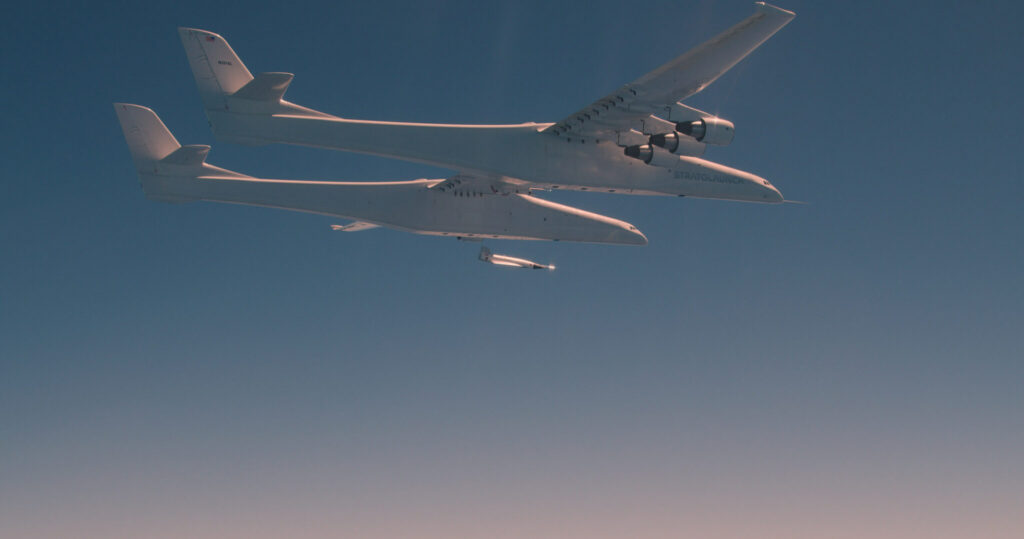
Developed by Stratolaunch, it carries classified internal payloads to collect data under real-world flight conditions.
After completing its mission, Talon-A can glide back to a designated landing site and autonomously land on a conventional runway.