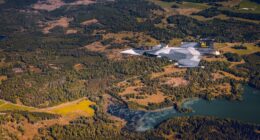
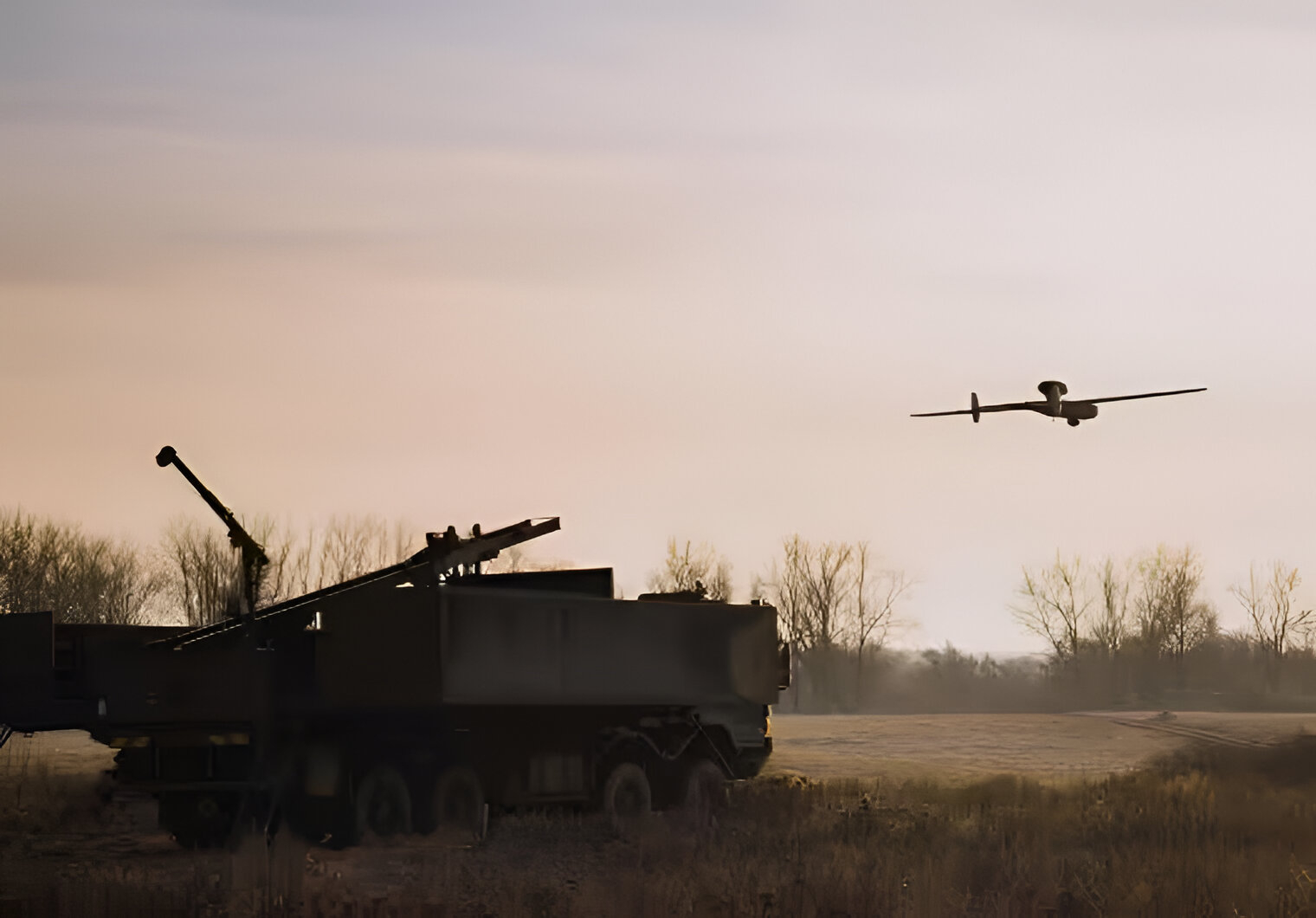
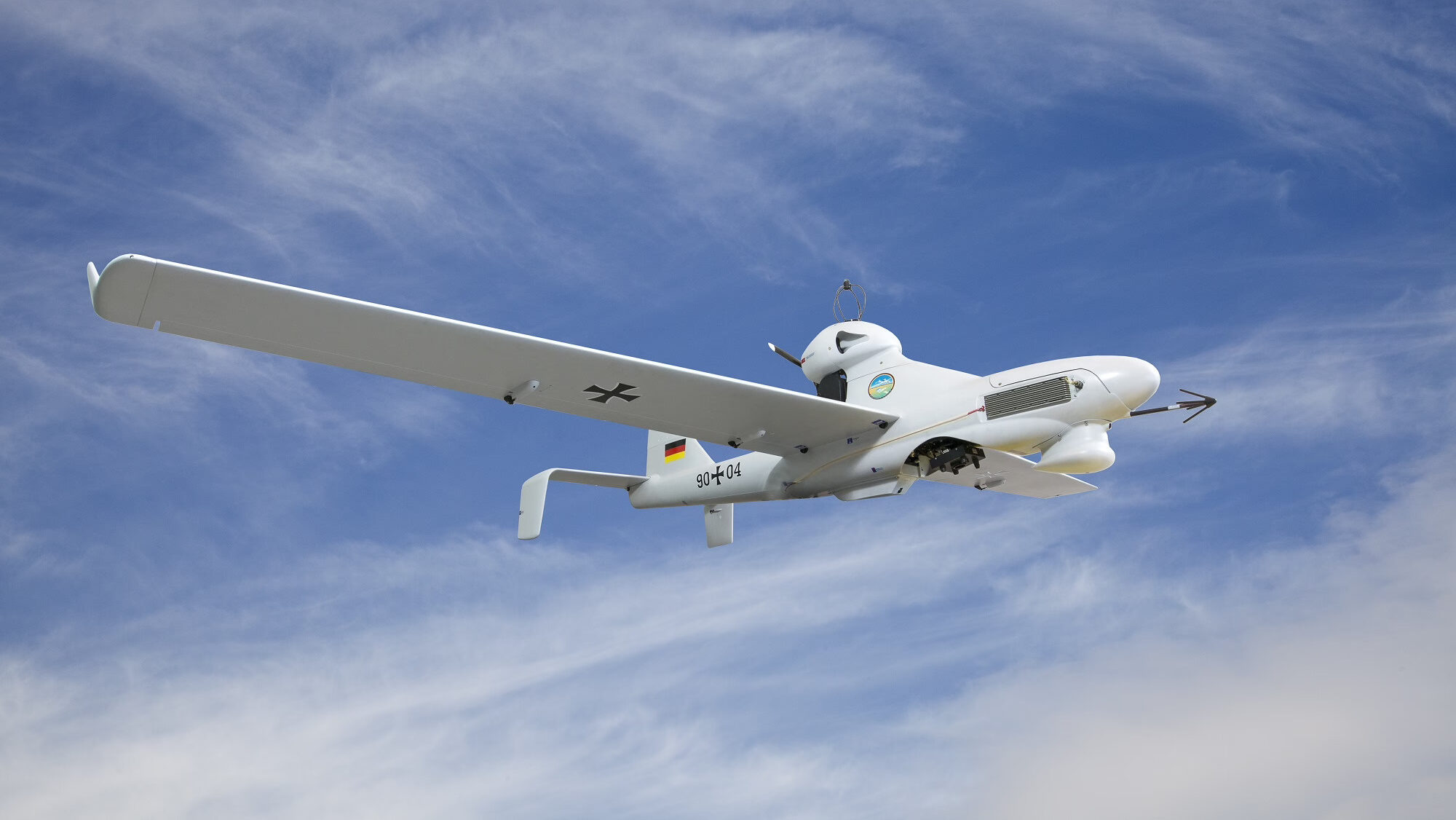
Rheinmetall’s LUNA NG unmanned aerial vehicle (UAV) is carving out a role as a force multiplier for the German Bundeswehr, acting as an airborne node in the military’s growing drone fleet.
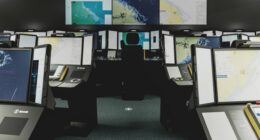
In a series of field exercises, the drone paired with the Bundeswehr’s Command and Control Unmanned Management System (C2-UMS Bw), allowing it to operate alongside other loitering munitions.
Its integration reportedly enabled faster detection, tracking, and neutralization of targets.
Other units in the C2-UMS Bw network also gained access to real-time, high-resolution data of a “large operational area,” giving ground forces a clearer picture of the battlefield.
LUNA NG specifically handled short-term reconnaissance assignments, demonstrating 12-hour mission endurance at altitudes up to 5,000 meters (16,404 feet).
‘Ultra-Light’ Surveillance Platform
More commonly known to German forces as the Highly Efficient Unmanned System for Medium-Range Reconnaissance (HUSAR) system, LUNA NG is designed for real-time surveillance and tracking missions.
It features an “ultra-light but highly stable” build, flaunting a fuselage structure made of carbon fiber reinforced plastic.
This characteristic allows it to fit into small vehicles or standard helicopter cabins, and launch from almost anywhere by way of a rope-hoist catapult.
The drone’s low acoustic and radar signatures make it harder to detect by enemy air defenses, while its design supports integration with modern reconnaissance networks like the C2-UMS Bw.
“The LUNA system is already equipped for the latest developments in aerial reconnaissance — and thus a reliable investment in the future,” Rheinmetall stated.