
Indra is giving drones a new edge in the skies with a system that adds advanced flight intelligence, addressing one of the trickiest challenges facing drone operators today: navigating crowded airspace.
The tech, tested in Seville, combines multiple onboard cameras and an electronically steered radar to detect other unmanned aerial vehicles (UAVs) and help make rapid in-flight decisions.
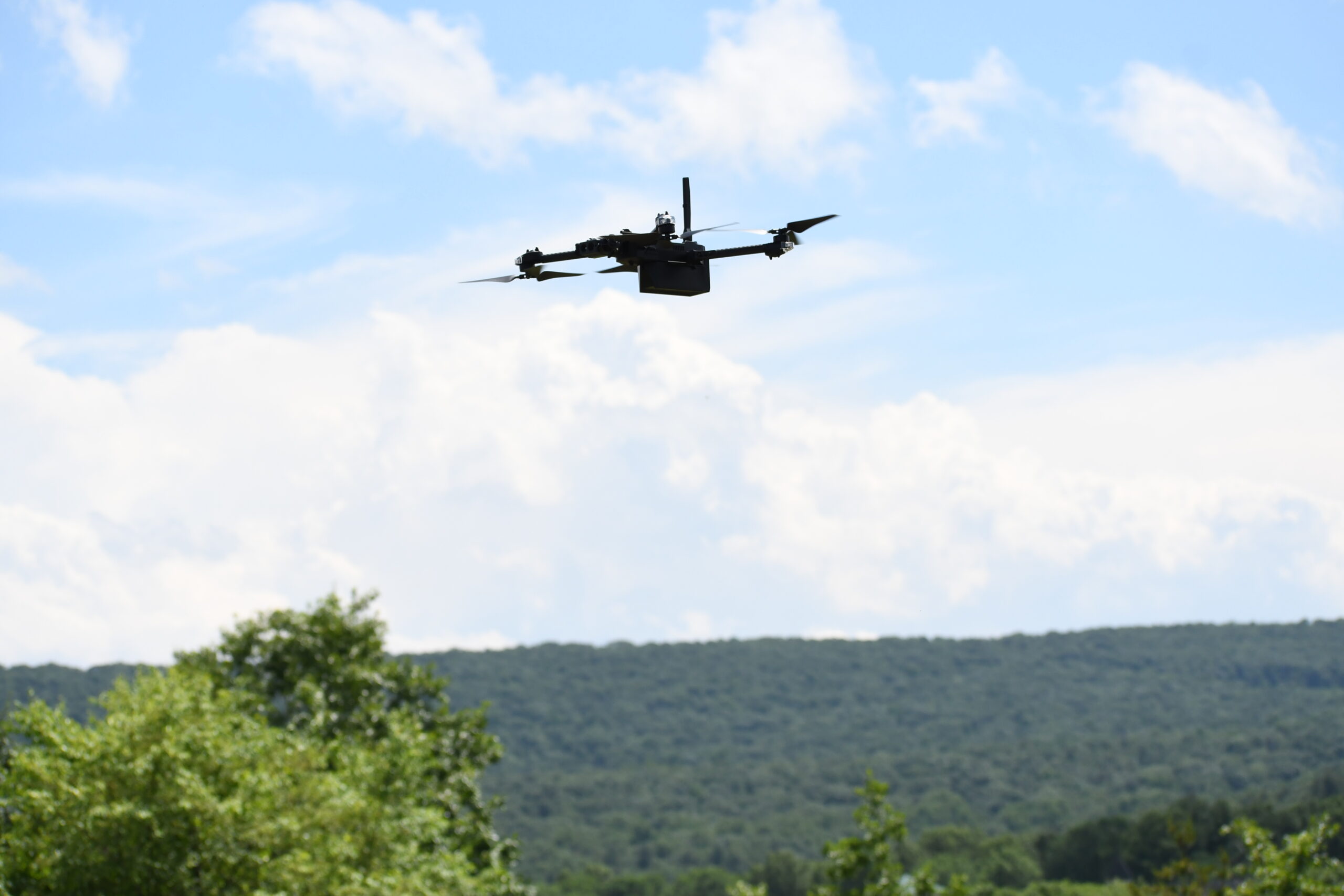
During the trials, a multirotor UAV equipped with the anti-collision tech successfully identified another drone from Indra’s TARSIS family at distances of up to 1 kilometer (0.62 miles) and quickly adjusted its flight path.

Trajectories, altitudes, and speeds were varied to replicate realistic air traffic conditions.
The system performed across a range of flight profiles typical of Unmanned Traffic Management (UTM) environments, from low altitudes up to 2,000 meters (1.24 miles).
Built for Swarm Ops
According to Indra, the tech is designed for complex operations, such as coordinated drone swarms in airspace shared with manned and unmanned aircraft.
Developed under the strategic program of the Galician Aerospace Hub, it is the result of a joint effort between Indra and Tecnobit-Grupo Oesía.
The system’s architecture fuses 360-degree camera coverage with radar input, while onboard processing enables rapid decision-making even in low-visibility conditions.
Beyond collision avoidance, the tool is expected to support drone-based missions in search and rescue, marine spill detection, and wildfire monitoring.