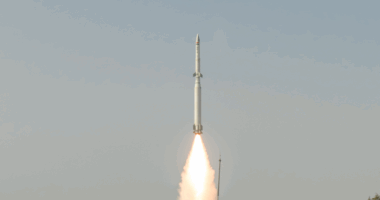


India is pushing its artillery into a new performance bracket, with its army poised to become the first in the world to field ramjet-powered 155mm shells.
The move boosts conventional artillery range by up to 50 percent without sacrificing striking power, allowing forces to reach targets farther away with improved effectiveness.
The ramjet shells are reportedly in the final stages of development, with initial tests already completed at the Pokharan Field Firing Range in Rajasthan.
According to the army, the tech could be applied across the full arsenal of 155mm guns without major redesigns, potentially enhancing the overall artillery capability of the force.
Use for Artillery
India fields different artillery types for specific missions: light artillery for ground support, medium artillery for disrupting enemy positions, and heavy artillery for striking enemy facilities behind frontlines.
The current ramjet shells fit medium artillery weapons but could match the performance of heavier systems thanks to their enhanced range.
Once deployed, they could strike deeper into fortified positions, disrupt enemy logistics from safer distances, and reduce reliance on expensive missile systems.
What are Ramjets?
Ramjets are jet engines with no moving parts, relying on a projectile’s forward speed to compress incoming air and generate thrust.
Their effect kicks in once the shell reaches high initial speed — typically around Mach 2 (2,470 kilometers/1,534 miles per hour) — further extending flight range.
While ramjet propulsion has been used in missiles before, India is reportedly the first to integrate it into artillery ammunition, marking a strategic leap for conventional forces.