
Dynetics has received a $670.5-million contract to build the common hypersonic glide body (C-HGB) and thermal protection system for the US Army.
A total of $65.8 million has already been allocated from the overall amount to the Leidos subsidiary for fiscal 2024 research, development, testing, and evaluation.
Work will be performed in Huntsville, Alabama, with an estimated completion date of October 2029.
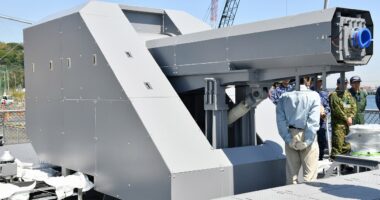
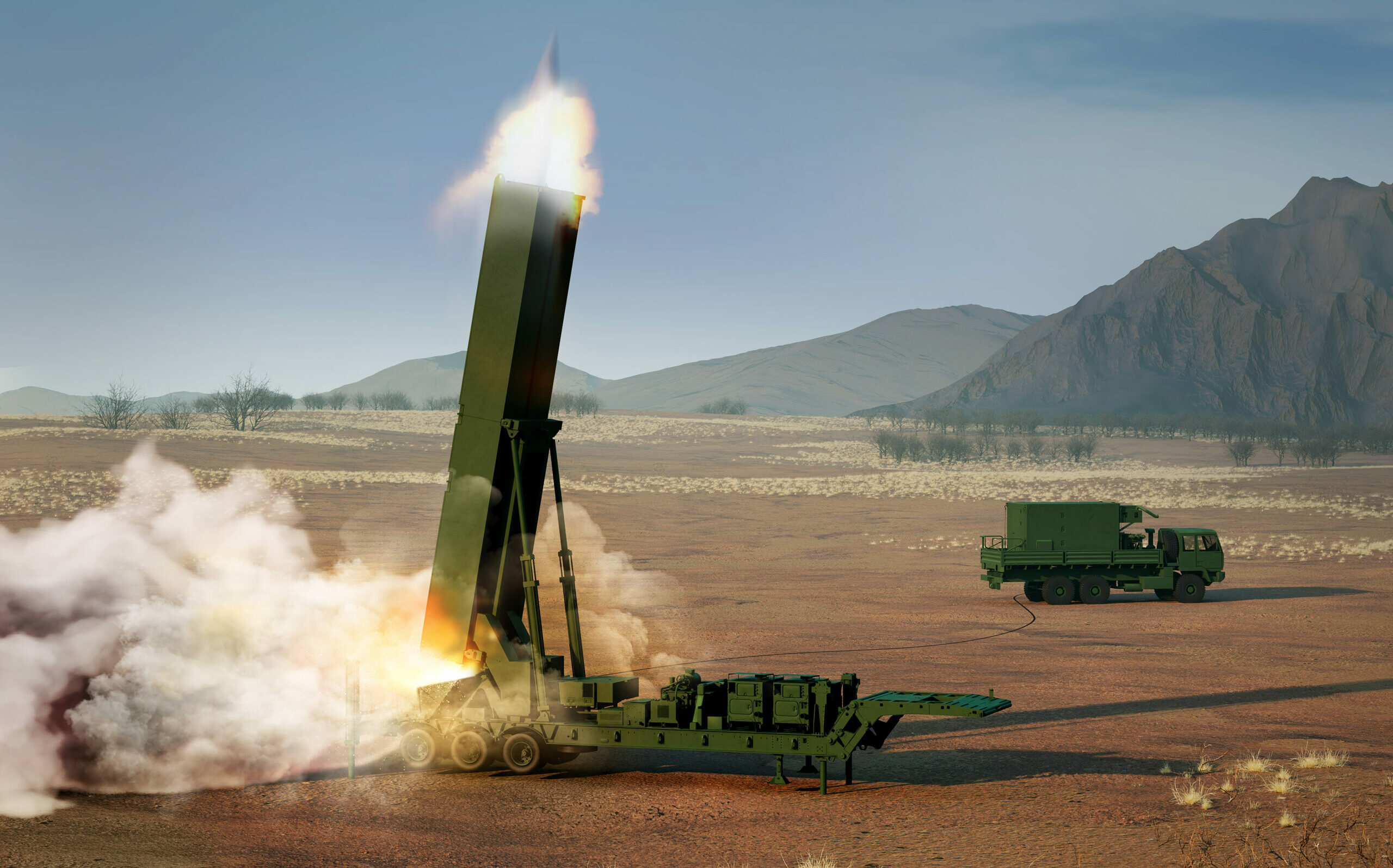
Dynetics is part of a Lockheed Martin-led team supporting the integration and prototyping of the C-HGB, the common munition for both the US Army and US Navy’s respective hypersonic programs: Long Range Hypersonic Weapon (LRHW) and Conventional Prompt Strike (CPS).
Common Hypersonic Glide Body
Both services are jointly developing the missile glide body, with the US Navy leading the design and the US Army production.
It will reportedly have a range of over 2,775 kilometers (1,724 miles) and be launched from individual weapon systems of the two services, tailored for launch from sea or land.
The LRHW was originally planned to be fully operational by the end of 2023. However, the weapon faced undisclosed pre-flight check issues in September last year.
The US Navy, meanwhile, has contracted Huntington Ingalls Inc. to outfit the destroyer USS Zumwalt (DDG 1000) with the CPS weapon by September 2025. The integration is being carried out as part of the warship’s larger modernization.