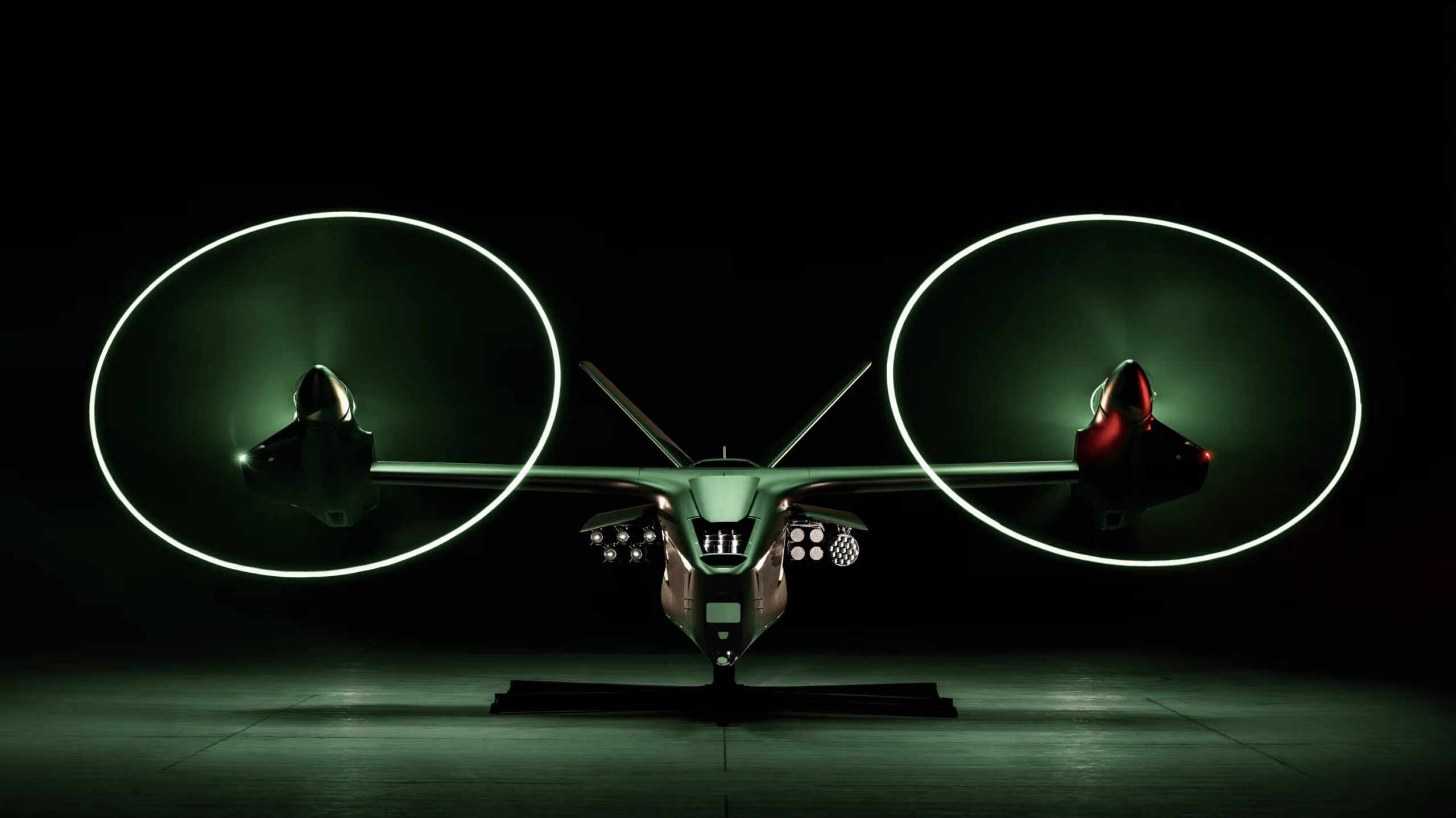
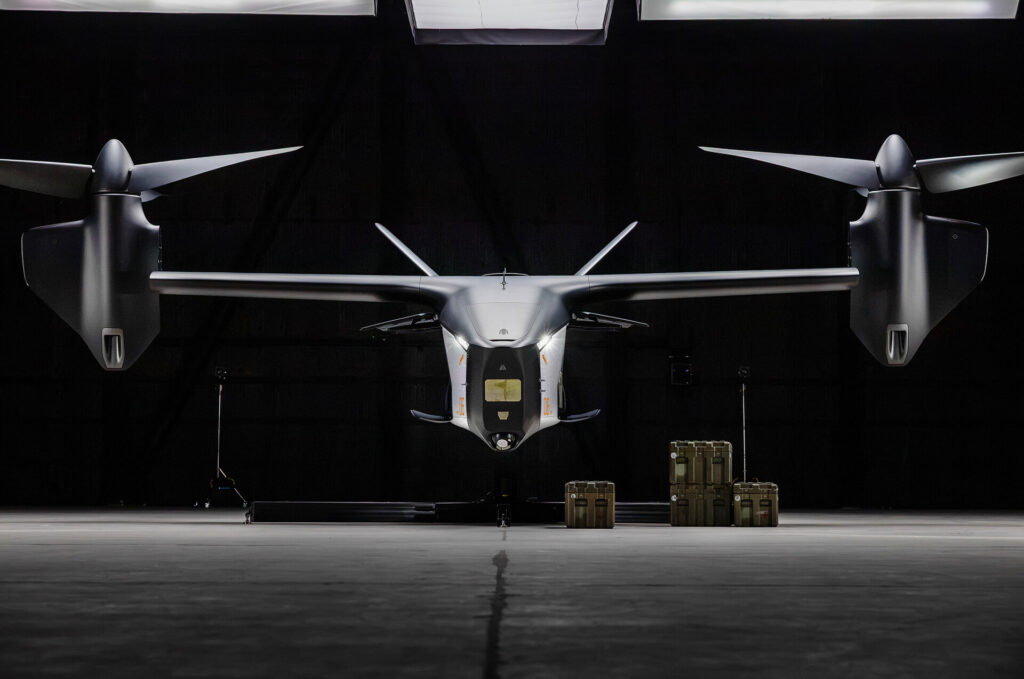
Anduril Industries has unveiled an autonomous “loyal wingman” aircraft designed to fly alongside attack and assault helicopters and deliver heavy payloads into contested environments.
Developed with Archer Aviation, the aircraft, called Thunder, is built for manned-unmanned teaming (MUM-T), allowing crews to engage more targets while extending mission endurance.
According to the companies, pairing three Thunder aircraft with an AH-64 Apache could triple the brigade’s available munitions without exposing additional pilots to danger.
Beyond strike missions, Thunder can support intelligence, surveillance, and reconnaissance, maritime patrol, anti-submarine warfare, search and rescue, and logistics operations.
The aircraft is powered by Anduril’s Lattice autonomy software, allowing pilots to assign mission objectives rather than remotely control the aircraft throughout a flight.
Designed for rapid deployment, Thunder can also fit inside a standard shipping container for transport by air, road, rail, or sea.
“This mission required a clean sheet design, built from the ground up to meet the needs of modern commercial and defense applications. We couldn’t simply tweak our existing aircraft,” said Adam Goldstein, founder and chief executive officer of Archer Aviation.
“Instead, we took a bold first principles approach alongside Anduril to develop what we believe is the most sophisticated vertical lift aircraft ever made.”
The companies have already completed multiple test flights with a full-scale prototype, with Thunder’s maiden flight planned for 2027.
Built to Carry More
Thunder features a modular payload bay capable of carrying loitering munitions, air-launched effects, rockets, electronic warfare payloads, counter-drone systems, or cargo.
Its main payload bay can carry up to 10 air-to-ground missiles, including Hellfire, Joint Air-to-Ground Missile, Barracuda-100M, 16 Altius-600 launched effects, or 76 × 70mm rockets.
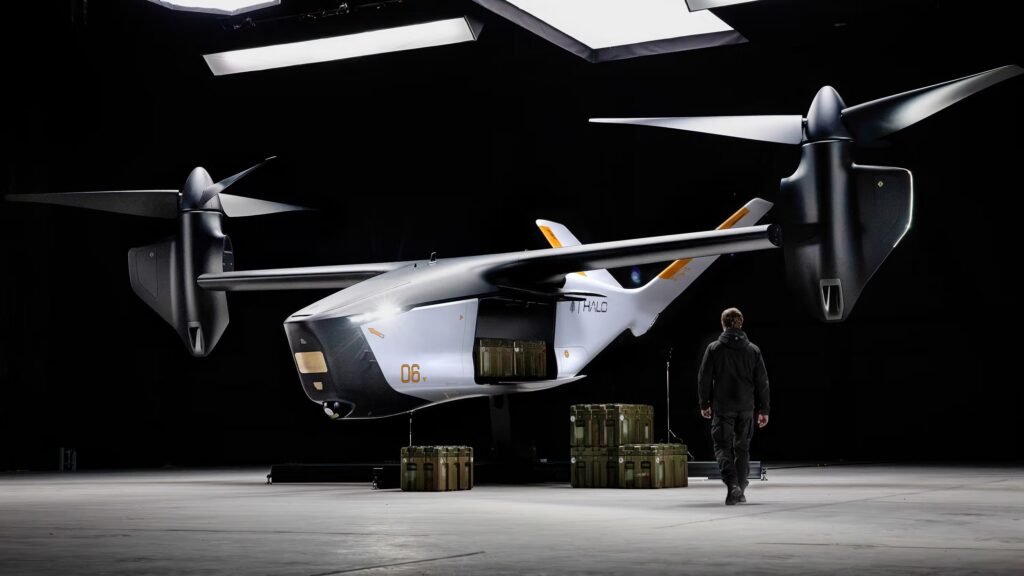
A separate nose payload can accommodate up to 12 counter-uncrewed aerial system effectors, enabling the aircraft to engage multiple threat types during a single sortie.
Hybrid-Electric Powertrain
Thunder uses a tiltrotor design that combines vertical takeoff and landing with fixed-wing cruise for deployment in austere areas.
A series hybrid-electric powertrain is designed to increase range and endurance while optimizing power delivery throughout each phase of flight.
The aircraft also incorporates Optimum-Speed Tiltrotors, which automatically adjust rotor speed during flight to improve efficiency, reduce fuel consumption, and lower acoustic signatures.