Ukrainian first-person view (FPV) drones are reportedly hitting targets more accurately with a new AI-guided system that developers said can keep working even under heavy electronic warfare (EW).
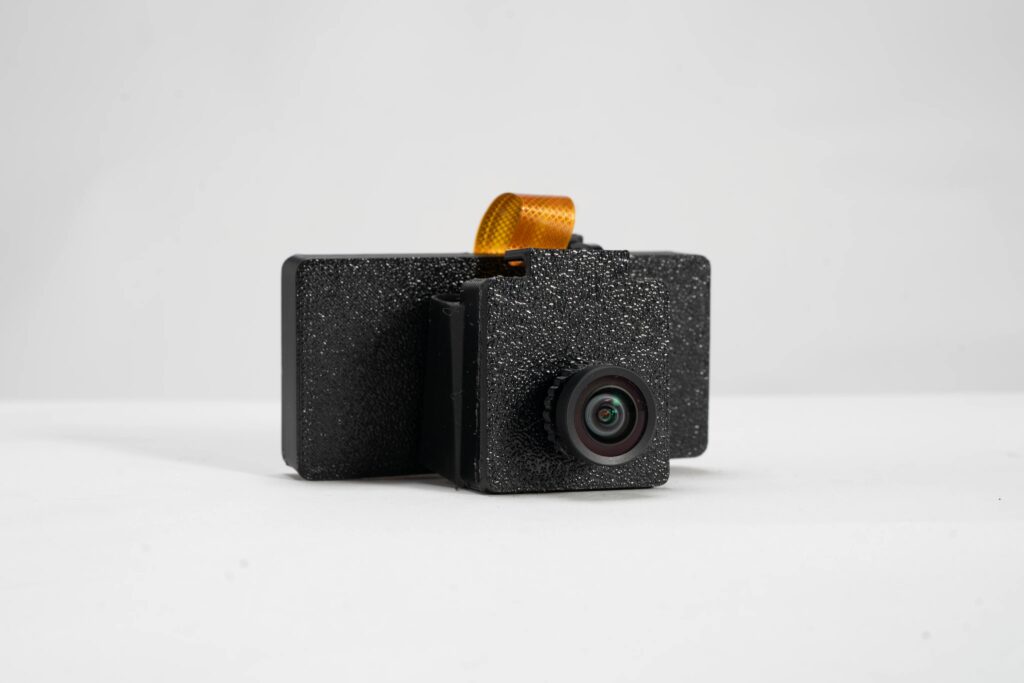
The device, called TFL-1, provides autonomous terminal guidance for the final 400 to 500 meters (1,312 to 1,640 feet) of a drone’s flight.
It is built to endure heavy jamming by ignoring the radio horizon, helping pilots maintain control in cruise mode while pushing through “curtain” EW interference.

TFL‑1 runs in three modes: Green for manual tracking, Red for AI targeting, and Blue for a neural-network enhanced mode tuned for armored targets.
It also boosts pilot efficiency, adds cryptographic protection, and includes a target-refinement function to sharpen final-stage accuracy.
New operators can reportedly learn it in about 10 seconds, and it works alongside Ukrainian mission-support tools like MilBeta and CrashDetect.
Deployment, Testing, and Cost
Developed by Ukrainian firm The Fourth Law, TFL-1 has been certified for military use by the country’s defense ministry and is now in service with roughly 20 brigades.
Early tests showed a 100-percent hit rate across 10 trial launches, prompting army units to request 30 more modules right away.
The 412th Autonomous Brigade Nemesis later purchased 100 units and reported about a 50-percent success rate in the first 20 combat uses.
Each TFL-1 costs under $100, keeping the upgrade well below 10 percent of a typical FPV drone and enabling large-scale adoption across frontline units.