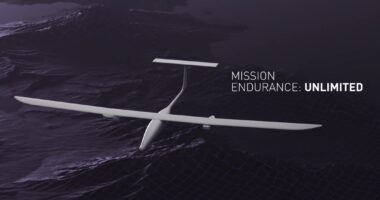
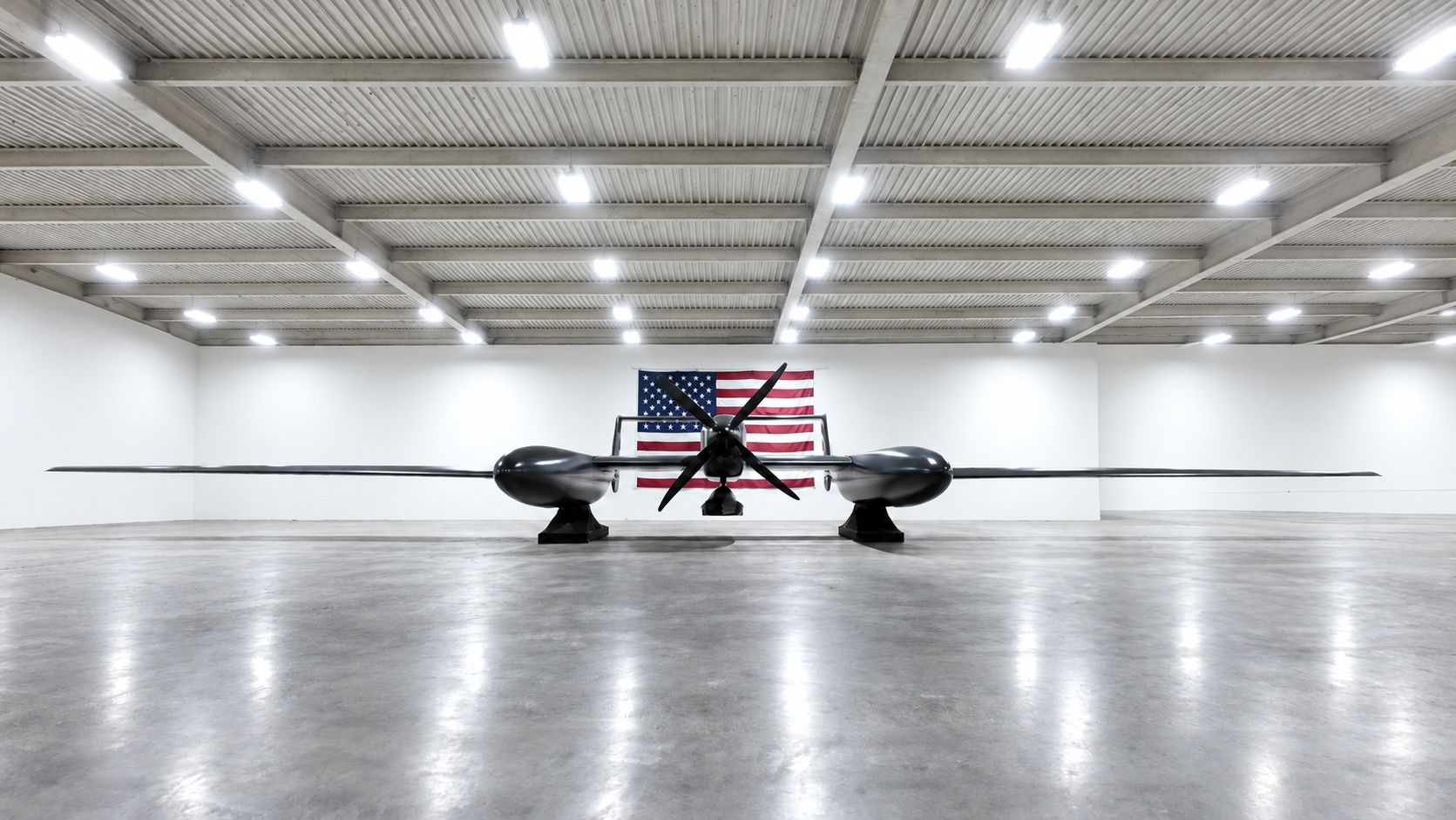
A new contender to succeed the MQ-9A Reaper has taken shape, with Swarm Aero pitching a low-cost autonomous aircraft designed to carry bomber-class missiles on long-range strike missions.
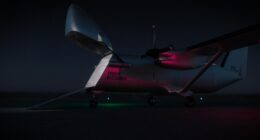
Called Gamera, the modular unmanned aerial vehicle (UAV) has a 72-foot (22-meter) wingspan and a claimed unrefueled range of 9,000 nautical miles (10,357 miles/16,668 kilometers).
Its payload capacity exceeds 2,800 pounds (1,270 kilograms), allowing it to carry heavyweight weapons such as the Long-Range Anti-Ship Missile (LRASM) and Joint Air-to-Surface Standoff Missile-Extended Range (JASSM-ER).
Gamera will also integrate Swarm Aero’s Legion command-and-control and autonomy software, which allows a single operator or small team to direct dozens of different autonomous systems across multiple domains.
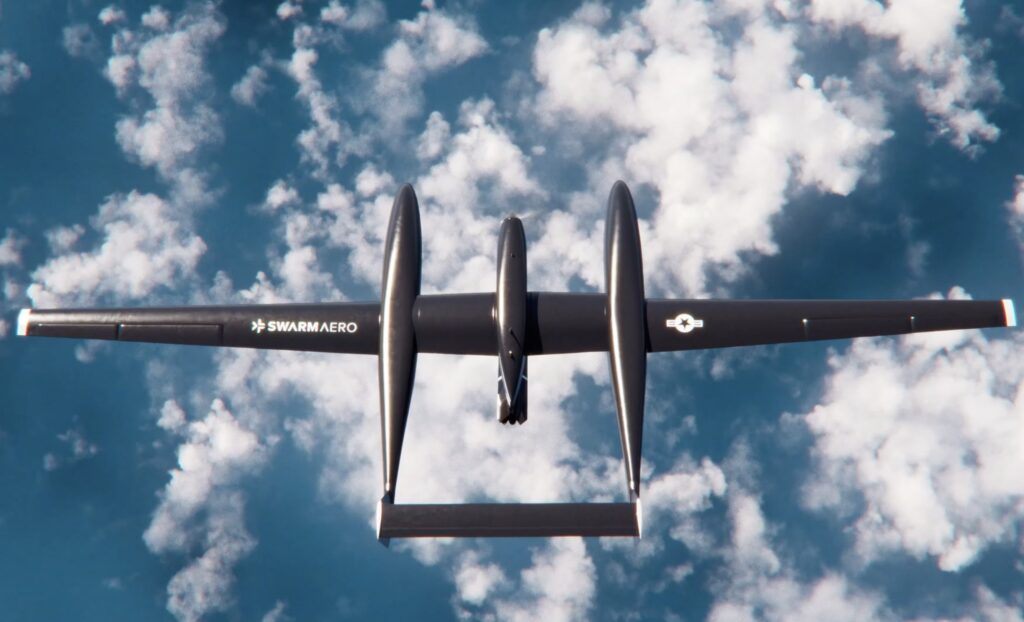
The twin-fuselage aircraft is powered by a Honeywell TPE331 turboprop driving a forward-mounted tractor propeller.
Swarm Aero claims Gamera could deliver long-range standoff strikes at one-tenth the cost per effect of existing platforms.
Beyond surface strikes and swarm operations, the aircraft is being developed for sensing, electronic warfare, and communications-relay missions.
Race to Replace the Reaper
Swarm Aero is positioning Gamera for the Massed Modular Aircraft (MMA) program led by the US Air Force and Defense Innovation Unit (DIU).

The program seeks affordable, risk-tolerant aircraft that can be manufactured at scale and perform missions currently handled by the MQ-9A.
The US Air Force is targeting a unit cost of around $10 million while accelerating efforts to bring the new aircraft into service.
“Gamera will be able to deliver all of the capabilities of the MQ-9, as well as employ payloads that the MQ-9 cannot, at a fraction of the price,” the company stated.
Gamera will face competition from MQ-9A manufacturer General Atomics Aeronautical Systems, Inc., which has proposed its lower-cost, highly autonomous Wildfire aircraft for the same program.