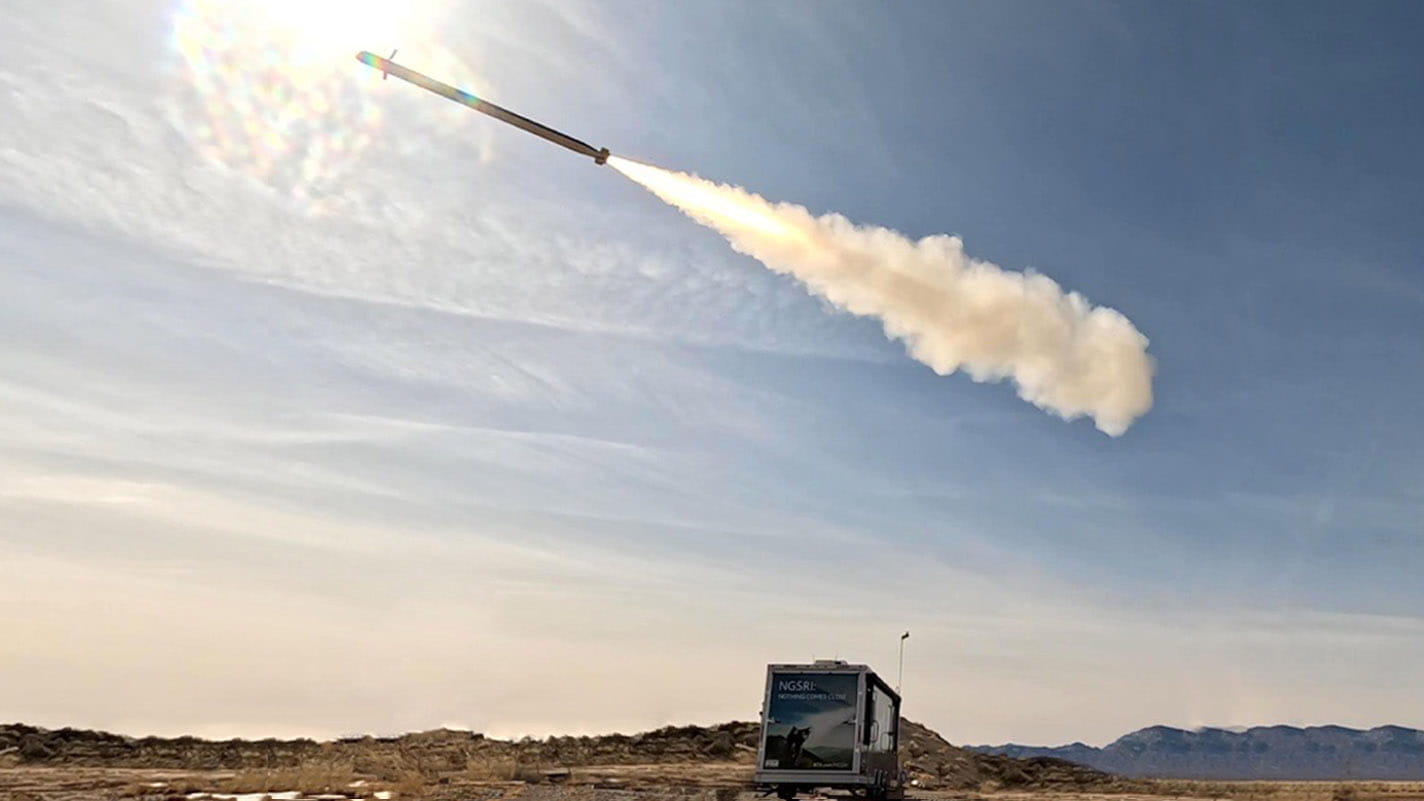
RTX’s Raytheon has brought the Stinger’s successor one step closer to reality, successfully demonstrating its Next Generation Short Range Interceptor (NGSRI) in a milestone test against simulated aerial threats.
During the trial, multiple NGSRI missiles detected, tracked, and intercepted their targets, validating the system’s integrated guidance and engagement capabilities.
According to Raytheon, the weapon combines soldier-portable Command Launch Assembly with a precision-optics missile seeker and a highly loaded grain solid rocket motor supplied by Lockheed Martin.
These reportedly enable the interceptor to engage threats at greater distances than current systems.
“Raytheon’s NGSRI saw farther and locked faster, demonstrating superior… lethality than Stinger — which is already the world’s most in-demand shoulder-fired air defense system,” said Tom Laliberty, president of land and air defense systems at Raytheon.
“Our NGSRI solution builds on Stinger’s historic global success by being easier to build and field, resulting in a more capable, affordable and rapidly producible weapon.”
Setting the Standard
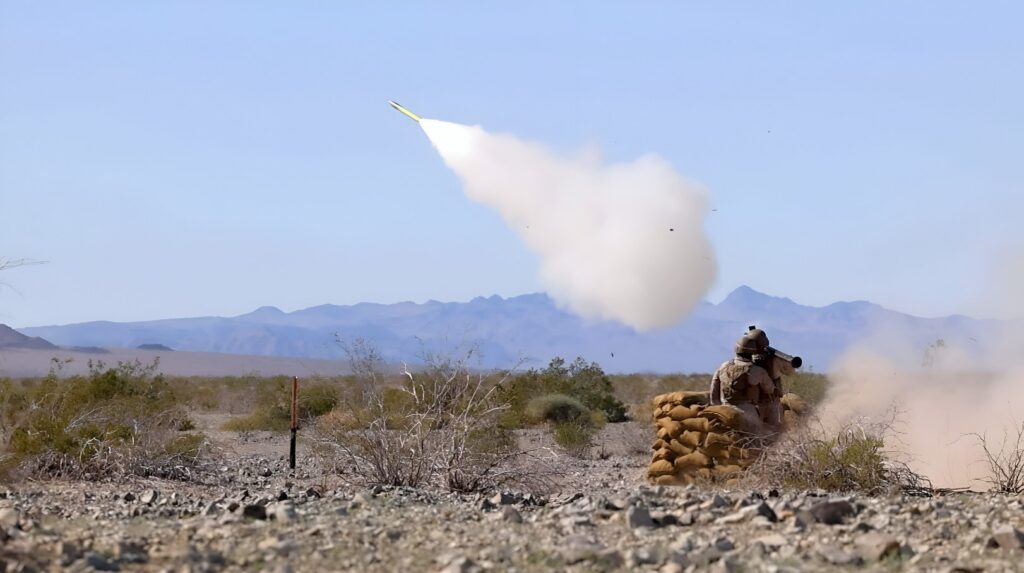
Weighing about 15 kilograms (33 pounds), the Stinger is a shoulder-fired, man-portable air defense system operated by a single soldier.
It uses a fire-and-forget guidance system, allowing the weapon to autonomously track and engage targets after launch.
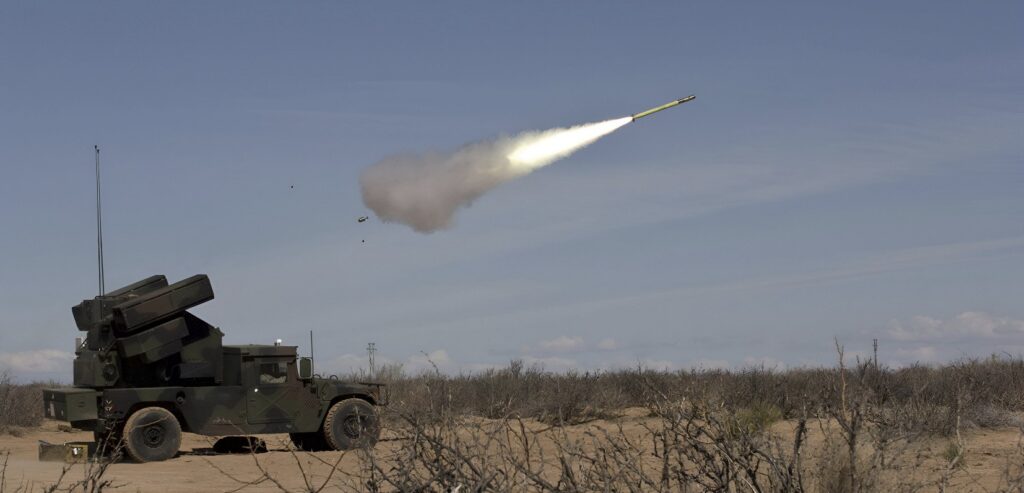
Before firing, operators install a battery-cooling unit that uses high-pressure argon to cool the seeker’s detectors and improve target acquisition.
The Stinger has an operational range of 4 to 5 kilometers (2.4 to 3.1 miles) and can engage targets at altitudes of up to 3,800 meters (12,500 feet).
With the successful demonstration complete, the NGSRI is now closer to fielding as the US Army’s next-gen shoulder-fired air defense missile.