

Europe is taking its missile defense ambitions beyond the atmosphere with Bliksem EXO, a sovereign interceptor designed to destroy incoming ballistic missiles through direct hit-to-kill impacts in space.
Unlike conventional interceptors that rely on explosive warheads, the new weapon uses kinetic hit-to-kill technology to eliminate threats through direct collision during the midcourse phase of flight.
Rather than replacing existing defenses, the interceptor is intended to serve as the upper layer of Europe’s missile defense architecture.
While terminal and theater interceptors engage threats at lower altitudes, Bliksem EXO is designed to intercept ballistic missiles before they reenter the atmosphere.
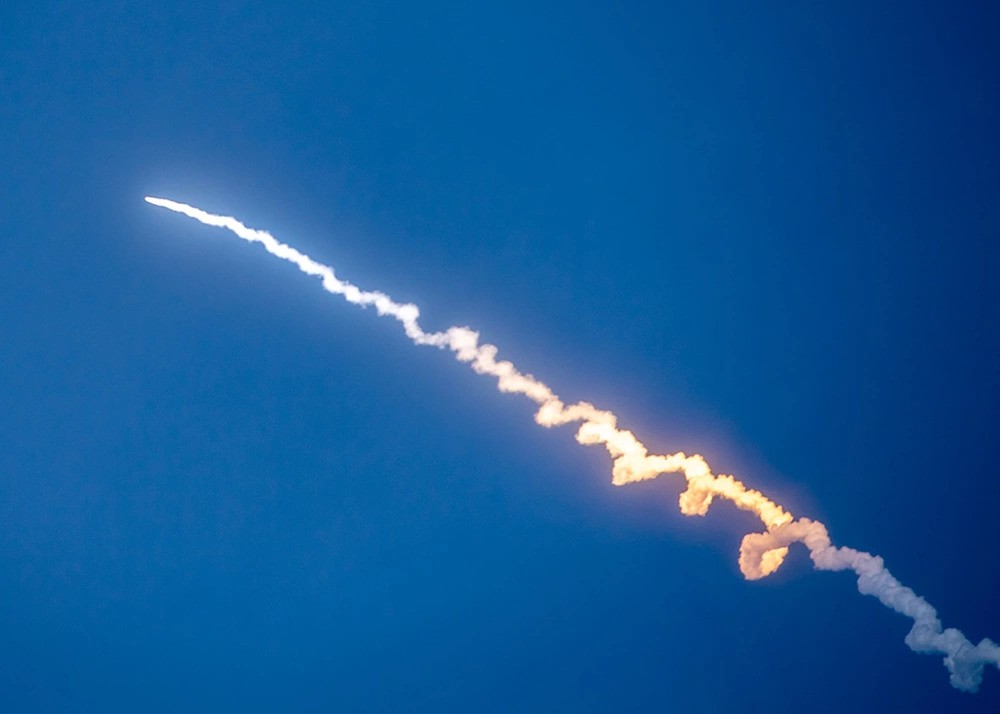
It is expected to counter medium- and intermediate-range ballistic missiles, including Russia’s Oreshnik-class weapon.
The system is also planned to support NATO’s Integrated Air and Missile Defence architecture while adding an upper-layer interception capability to the European Sky Shield Initiative.
“Europe has strong lower-layer missile defenses, but it still lacks a sovereign European upper layer,” said Mikhail Kokorich, chief executive officer of Destinus. “Bliksem EXO is designed to close that gap through direct hit-to-kill interception above the atmosphere.”
The Road Ahead
The initiative brings together Thales, Airbus Defence and Space, Destinus, MBDA Deutschland, and Safran Electronics & Defense, which signed a Letter of Intent in Paris to establish the Bliksem EXO consortium.
Under the agreement, Destinus will serve as prime contractor and oversee integration of the Exo-atmospheric Kill Vehicle (EKV).
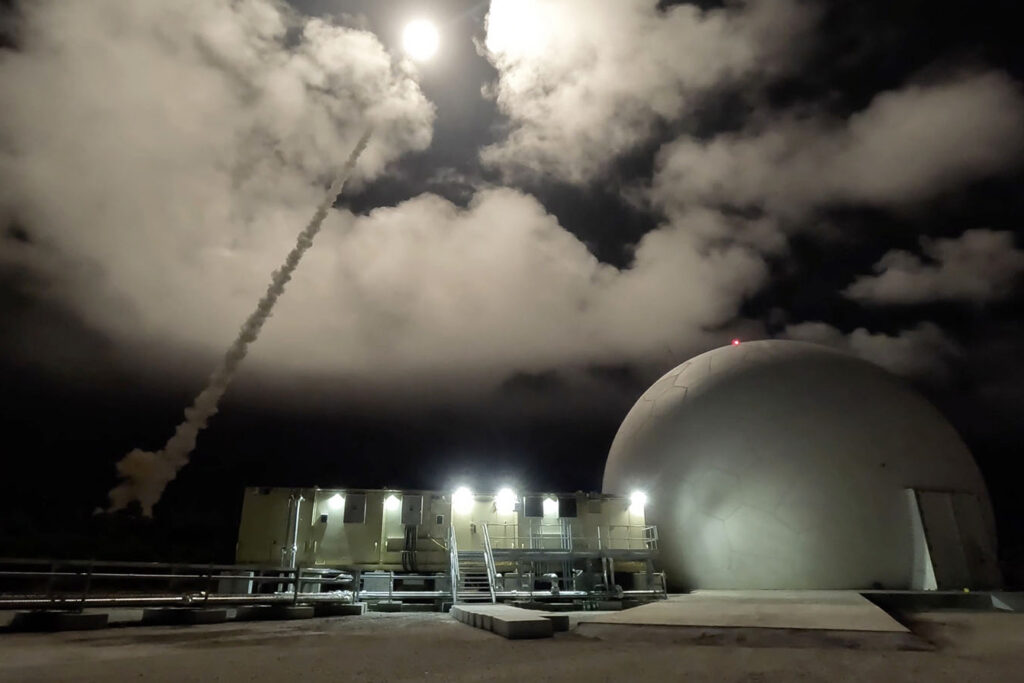
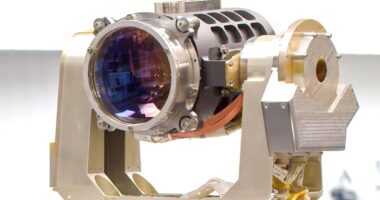
MBDA Deutschland will develop the booster, launcher, and canister, while Safran Electronics & Defense will provide the EKV seeker along with its guidance, navigation, and control systems.
Airbus Defence and Space will lead command, control, and battle management, while Thales will supply the radar and sensor chain.
Joint engineering work is scheduled to begin this year, followed by an in-space demonstration of the EKV in 2027.