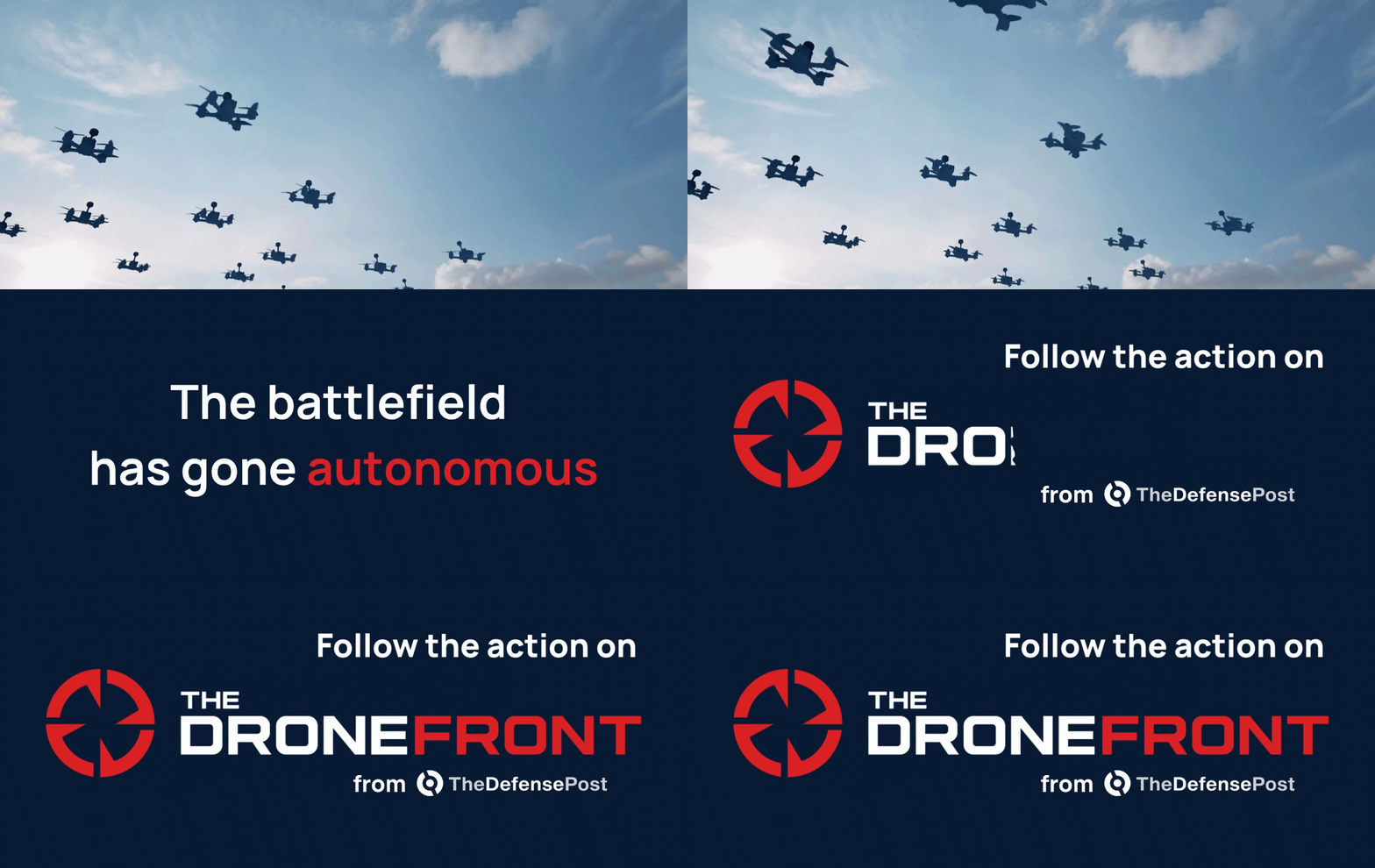


China may have just found a way to take aim at Elon Musk’s Starlink satellite constellation: a massive swarm of special signal-jamming drones.
Researchers at Zhejiang University and the Beijing Institute of Technology modeled how roughly 1,000 to 2,000 coordinated jammers could overwhelm the satellite network.
Each drone would broadcast noise at varying power levels, saturating the system and cutting ground terminals off from connectivity.
For full coverage over Taiwan, the study estimates at least 935 synchronized jammers would be needed in the air.

Lessons From Ukraine
The strategy draws heavily from lessons in Ukraine, where Starlink kept communications alive despite Russian attempts to cut fiber networks and jam signals.
Ukrainian forces restored command links within days, as SpaceX rolled out rapid software updates to counter interference.
Starlink’s thousands of fast-moving satellites, constantly shifting orbital planes and handing off connections in real time, reportedly make the network tough to disrupt.
Ground terminals also hop between satellites within seconds, keeping users online even under attack.
“The orbital planes of Starlink are not fixed, and the movement trajectories of the constellation are highly complex, with the number of satellites entering the visible area constantly changing,” said the researchers, as quoted by South China Morning Post.
“This spatiotemporal uncertainty poses a significant challenge for any third party attempting to monitor or counter the Starlink constellation.”