
A new autonomous fighter jet concept is taking shape in India as Flying Wedge Defence & Aerospace (FWDA) launches an ambitious development program centered on AI-driven air combat.
Called FWD Supreme, the program will produce two aircraft variants, starting with the 250-kilogram (551-pound) FWD Supreme Lite before expanding to the one-tonne (2,205-pound) FWD Supreme Heavy.
The heavier aircraft is envisioned to carry out intelligence, surveillance, and reconnaissance (ISR), strike, and collaborative combat missions without a pilot onboard.
It is also expected to cruise at around Mach 0.5 (617 kilometers/383 miles per hour), reach a top speed of Mach 0.9 (1,111 kilometers/690 miles per hour), and operate at ranges between 700 and 1,000 kilometers (435 to 621 miles).
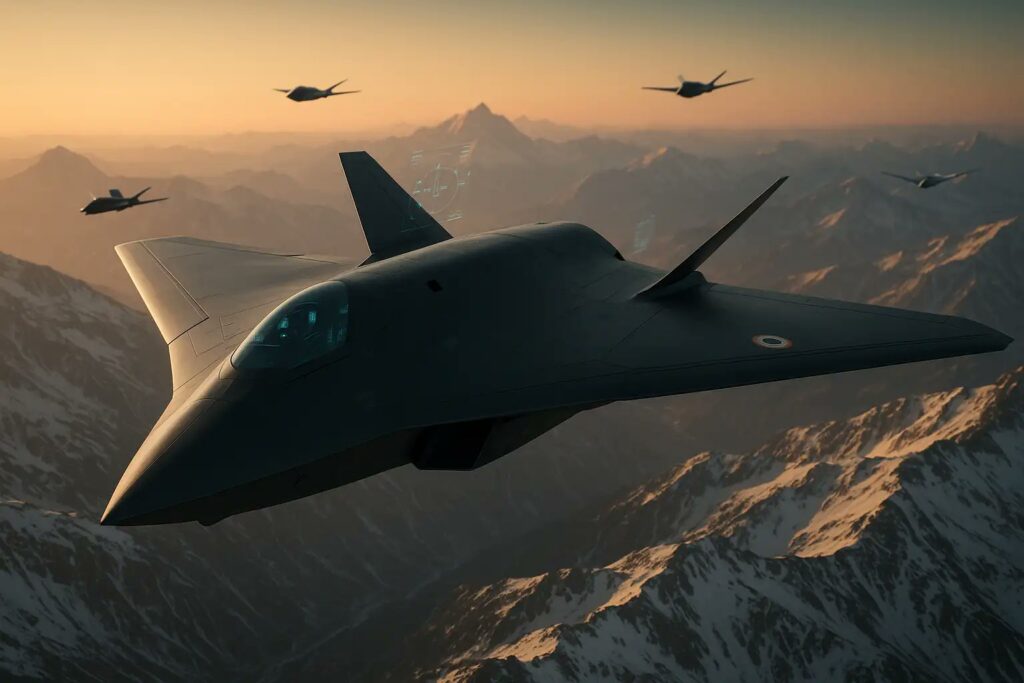
Its planned mission systems include multi-sensor fusion, enhanced situational awareness, autonomous decision-making, and AI-enabled combat functions.
Both aircraft variants are said to feature autonomous takeoff and landing capabilities, minimizing the need for direct human control.
‘Mobbing Doctrine’ Concept
Rather than operating independently, the FWD Supreme is built around FWDA’s “Mobbing Doctrine,” which envisions multiple autonomous aircraft working together as a coordinated swarm to locate, track, and engage targets.
The approach combines intelligent networking, autonomous decision-making, and cost asymmetry to overwhelm enemy defenses while maintaining mission effectiveness even if several aircraft are lost during a mission.
“The future of air superiority will not be achieved by a single fighter aircraft,” said Suhas Tejaskanda, founder and chief executive officer of FWDA.
“It will be defined by the most intelligent and adaptive combat systems working together as a network at machine speed.”
Roadmap
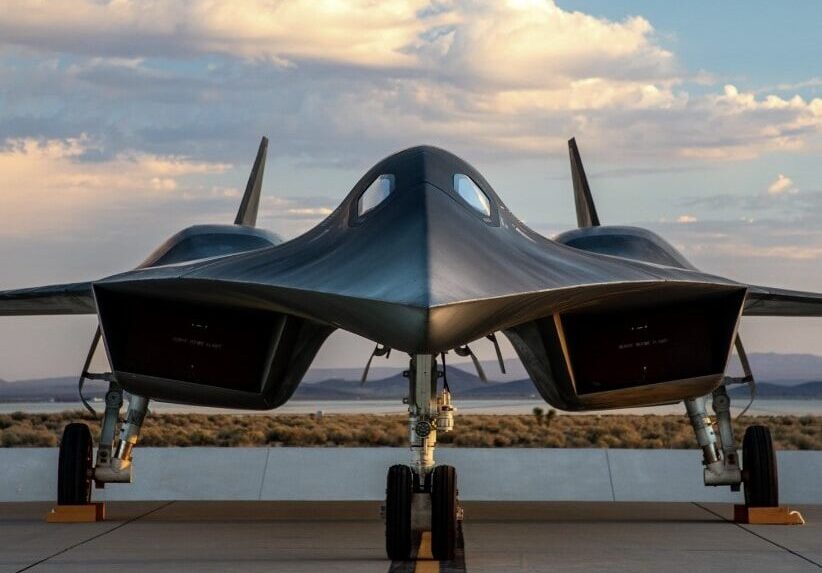
The program is set to reach its first major milestone later this year with the maiden flight of the FWD Supreme Lite technology demonstrator.
FWDA is also exploring a future variant capable of approaching Mach 2 (2,470 kilometers/1,535 miles per hour), with greater AI autonomy, low-observable design features, and advanced autonomous teaming capabilities.
Backed by a team of veteran aerospace engineers, the program is being developed entirely in India at the company’s Bengaluru facility