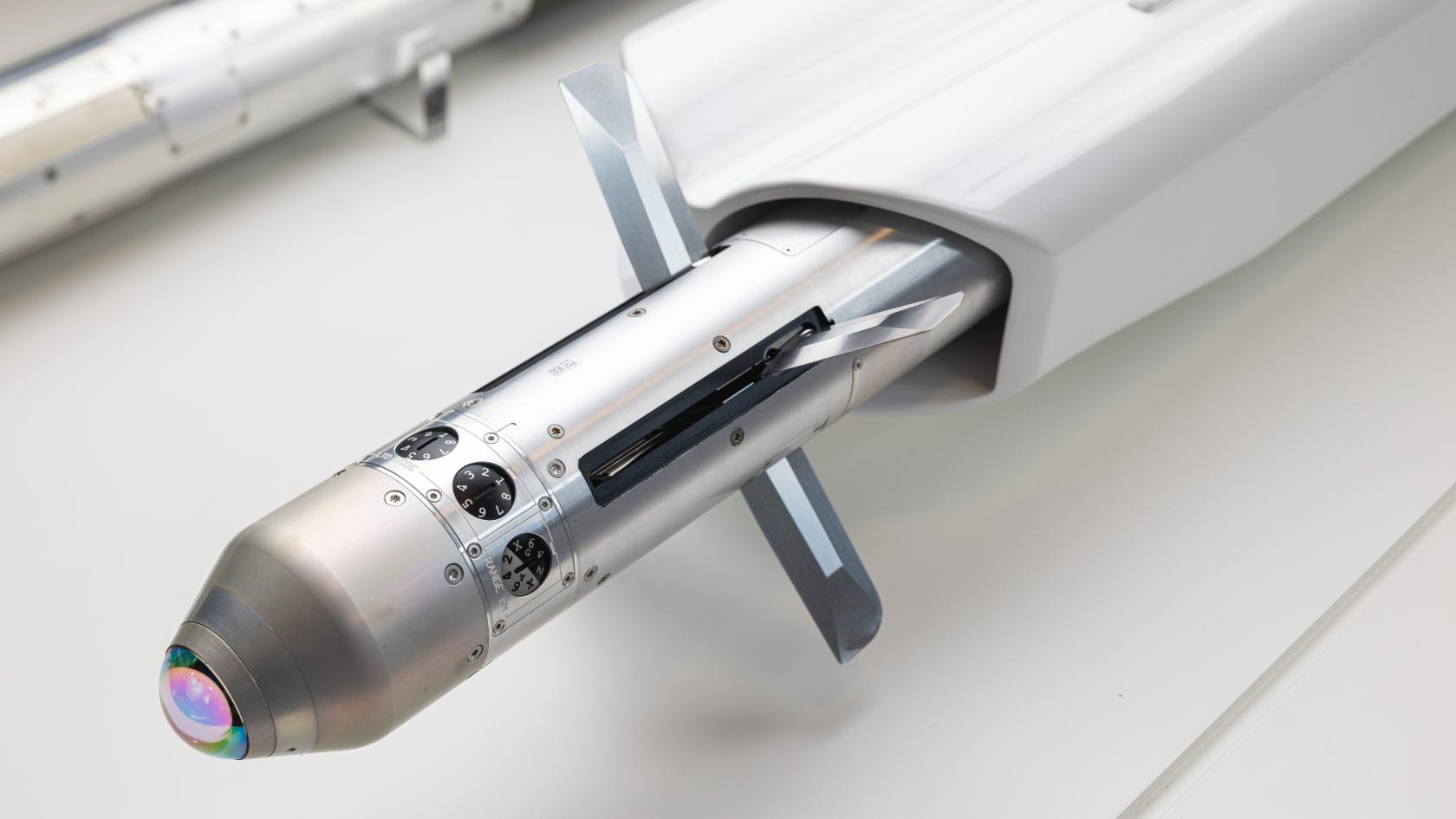

A laser-guided rocket sits at the center of Thales’ latest push for a counter-drone capability aimed at balancing cost and modern performance.
Named the Laser Guided Rocket (LGR275) Proxy, the 70mm system is equipped with a proximity sensor and a military-grade warhead, which the company said is optimized for Class 1 and 2 drones.
It is designed for both air-to-air and surface-to-air engagements, with the system built around Thales’ proven laser-guided rocket technology.
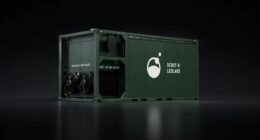
The LGR275 Proxy also complements the company’s SkyDefender system, an AI-powered command-and-control suite that integrates a network of sensors and effectors for multi-domain defense.

“Thales provides a solution to strengthen nations’ defense readiness against drone threat, one of the key challenges of our times,” said Alain Quevrin, country director at Thales Belgium and Luxembourg.
“Thales Belgium is the leader in NATO standard rockets and our solid production ramp-up allows us to meet the needs of the armed forces.”
Changing the Counter-Drone Approach
Laser-guided systems such as the LGR275 Proxy reduce reliance on expensive radar seeker technologies in counter-defense missions.
A trained operator can also achieve a one-shot, one-kill effect against drone targets, improving stockpile efficiency compared to gun-based systems that may require hundreds of rounds per engagement.
This approach could help lower costs from manufacturing to operations, positioning the LGR275 as a cost-conscious solution to what the company describes as “one of the most dynamic and fastest evolving challenges facing modern armed forces.”
Thales Belgium is expected to significantly ramp up production capacity by the end of the year, reinforcing its push to deliver a scalable counter-drone capability to allied customers.