MBDA and Safran Electronics have just ticked off a key milestone with the THUNDART rocket, taking the system from concept to demonstration in only 18 months.
Held at the Île du Levant range in France, the test validated the weapon’s overall design and structural integrity, with the companies noting that initial performance benchmarks were surpassed.
Roxel, an MBDA subsidiary, provided the propulsion system, while Safran integrated its modular air-to-ground weapon (AASM) guidance kit, enhancing the rocket’s adaptability across operational scenarios.
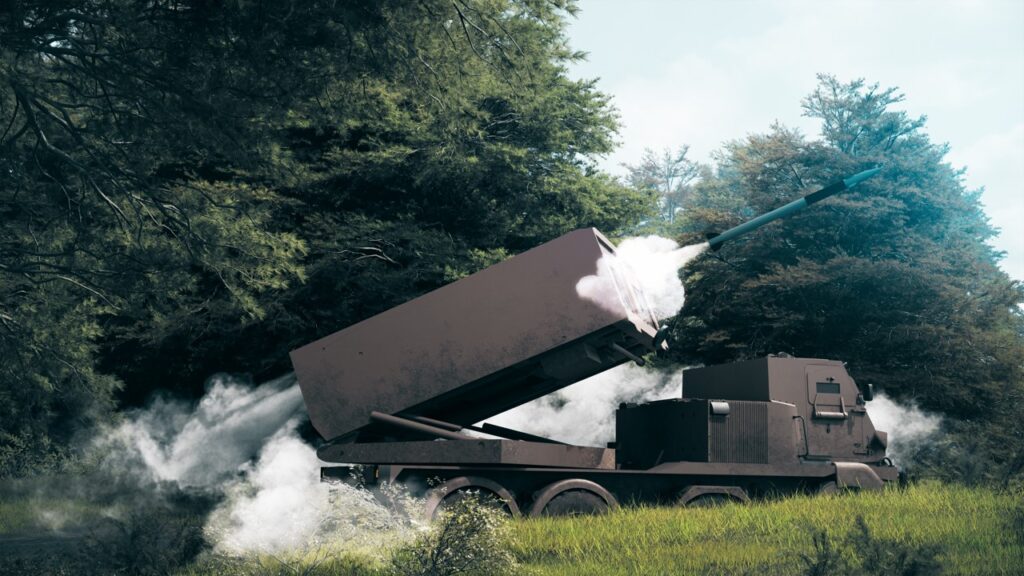
The demo reflects a wider collaboration between industry partners and allied stakeholders, supporting efforts to field a combat-ready capability by 2030.
Both companies are now preparing to scale production, with MBDA planning to invest 2 billion euros ($2.3 billion) over the next four years, while Safran aims to sustain its AASM output at its Montluçon facilities.
150-Km Striking Power
THUNDART reportedly delivers a 150-kilometer (93-mile) guided rocket capability aimed at modernizing France’s long-range fires.
It is designed to be deployable even in off-road conditions and maintain functionality in extreme temperatures.
When linked to French Army targeting systems, THUNDART is able to engage both fixed and moving targets with precision-guided effects.
Replacing the LRUs
France’s Directorate General of Armament (DGA) is set to phase out its Lance-Roquettes Unitaires (LRU) long-range artillery system by 2030 and is now on the hunt for possible replacements.
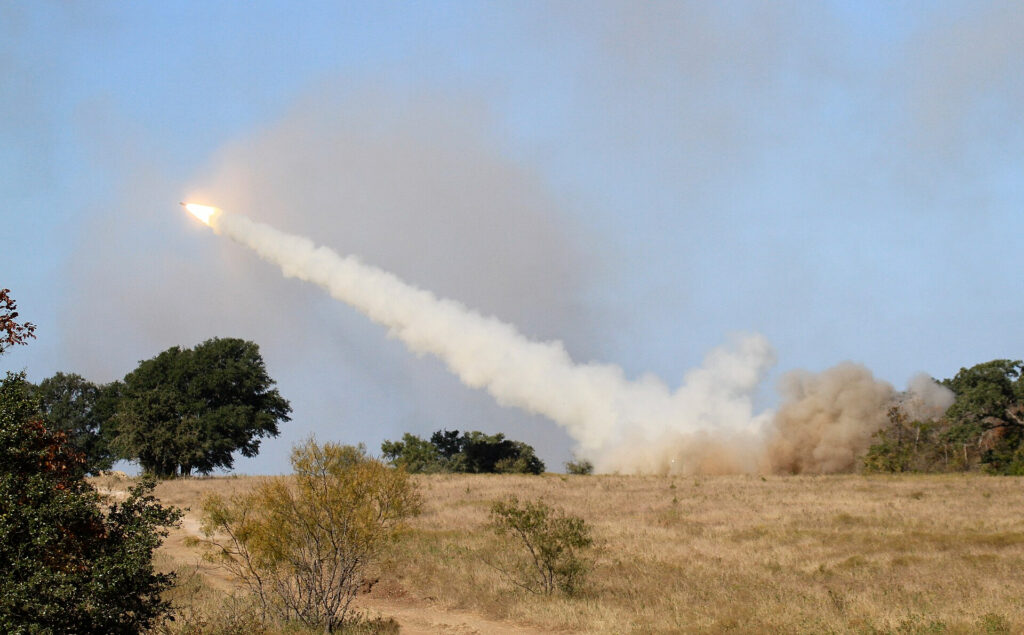
As the only European system exceeding the LRU’s strike range, MBDA and Safran are positioning THUNDART as the successor to the aging high-precision weapons.
The companies are also preparing for the next phase of the DGA’s land-based strike program, with more than a hundred personnel now engaged in continued development work.