

Notch Technologies is rolling out a new lineup of software-defined antennas that use metamaterial structures to dynamically tune radio frequency (RF) signals for drones, ground systems, and other field communications platforms.
Metamaterials are electronically reconfigurable materials that let antennas precisely control, steer, and shape radio signals without moving parts, improving communication reliability in complex or contested environments.
Leading the series is MAGIC WIZARD, which weighs about 700 grams (1.54 pounds) and is designed for use across ground stations, vehicles, and fixed installations.
It operates across a frequency range of 1,500 to 2,700 megahertz, delivers up to 8.7 decibels of signal gain, and can steer its beam in any direction.
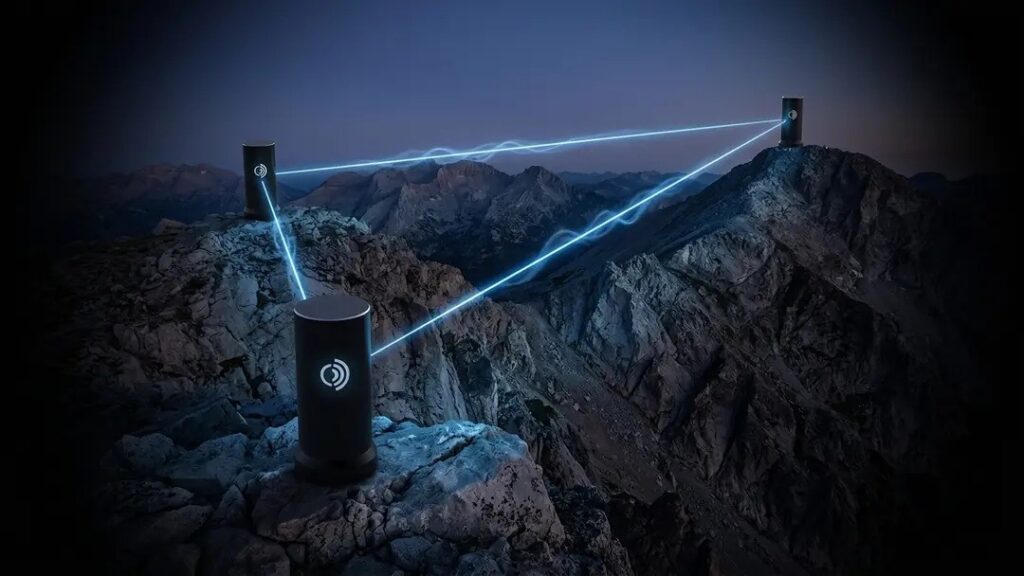
The system is fully electronic, drawing under 600 milliwatts of power and supporting multiple input options, including micro-USB and a 5 to 40 volt power range.
MAGIC ELF, a smaller variant, weighs only 250 grams (0.55 pounds) and is built for platforms with strict size, weight, and power requirements.
It delivers up to 5 decibels of gain and can switch signal settings in around 16 milliseconds.
Reducing RF Waste
Most fielded systems still rely on omnidirectional antennas because they are simple, proven, and easy to integrate. But they broadcast RF energy in all directions at once.
In contested or congested environments, that becomes a limitation, with much of the signal energy going unused while links still depend on sufficient power reaching the receiver.

Notch said its new lineup addresses this with a drop-in antenna upgrade designed to work with existing radios and standard RF interfaces, requiring minimal system integration.
“We’ve spent decades optimizing radios, but the antenna, the first point of contact with the RF environment, has remained mostly static hardware,” said Shahriar Khushrushahi, founder and chief executive officer of Notch Technologies.
“We are turning it into a software-defined system that can be configured, updated, and improved over time.”