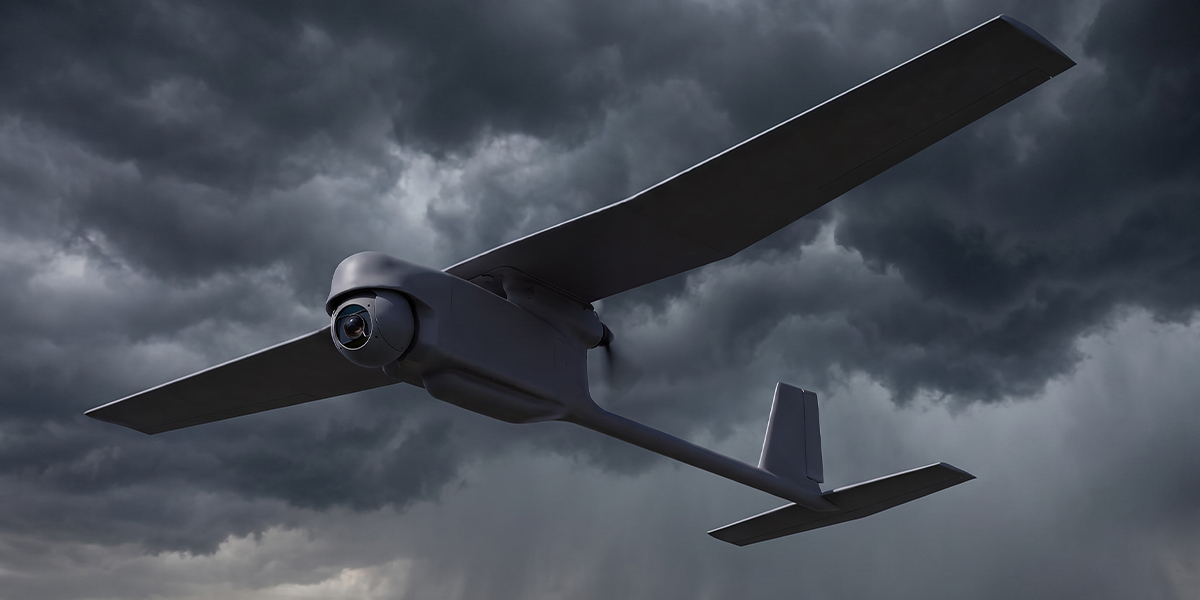
Teledyne FLIR OEM is adding AI-powered eyes to intelligence, surveillance, and reconnaissance (ISR) drones, enabling them to detect, classify, and track multiple ground targets in real time.
Called Prism A-ISR, the software combines data from passive midwave infrared, longwave infrared, and visible electro-optical sensors to identify and follow targets from the air.
Patented denoising and super-resolution tools sharpen imagery, while electronic stabilization and dehaze algorithms improve image quality and detection range.
The software is also designed to reduce bit-rate and bandwidth demands.
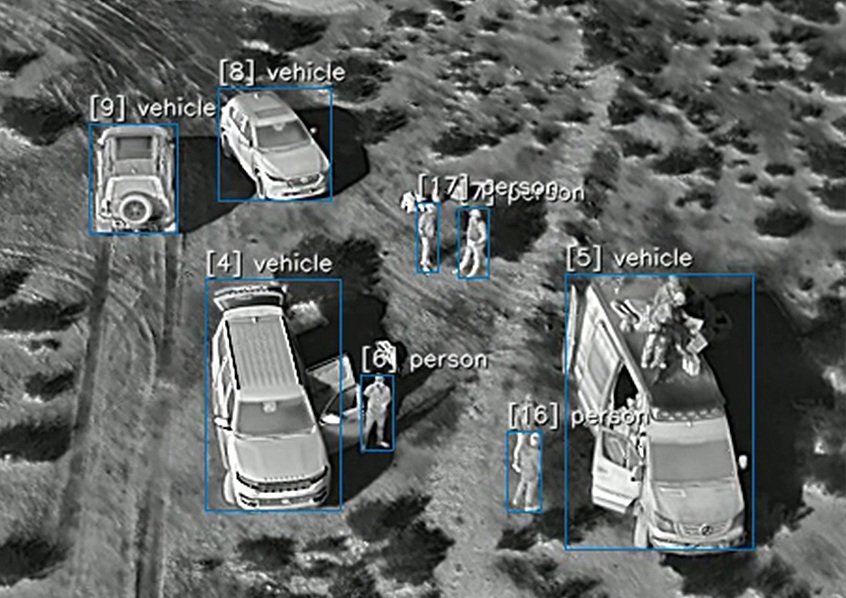
Through the company’s AIMMGen synthetic model-training service, developers can create updated mission models for new target types in days rather than weeks.
“By combining our … expertise, Prism A-ISR improves long-range situational awareness in cluttered and degraded visual environments while reducing false alarms and integration risk,” said Jared Faraudo, vice president of product management at Teledyne FLIR OEM.
“The software supports multi-target detection and tracking for mission applications requiring persistent surveillance, force protection, defense autonomy, and actionable mission intelligence.”
Built for Flexibility
Prism A-ISR is optimized for NVIDIA and Qualcomm AI platforms used in defense applications and supports camera modules such as Boson+, Boson SX8, and Neutrino.
To simplify integration and speed deployment, the software comes with production-ready perception models, technical resources, and embedded hardware support.
The launch expands Teledyne’s tactical software portfolio, joining its existing Prism C-UAS, Prism Ground ISR, and Prism SKR.
The company will demonstrate Prism A-ISR at the AUSA Annual Meeting & Exposition in Washington, D.C., from October 12 to 14.