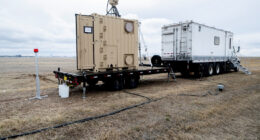


Tracking incoming fire without giving away its position is the core idea behind Patria’s new passive radar, which can reportedly monitor up to 500 projectiles at once.
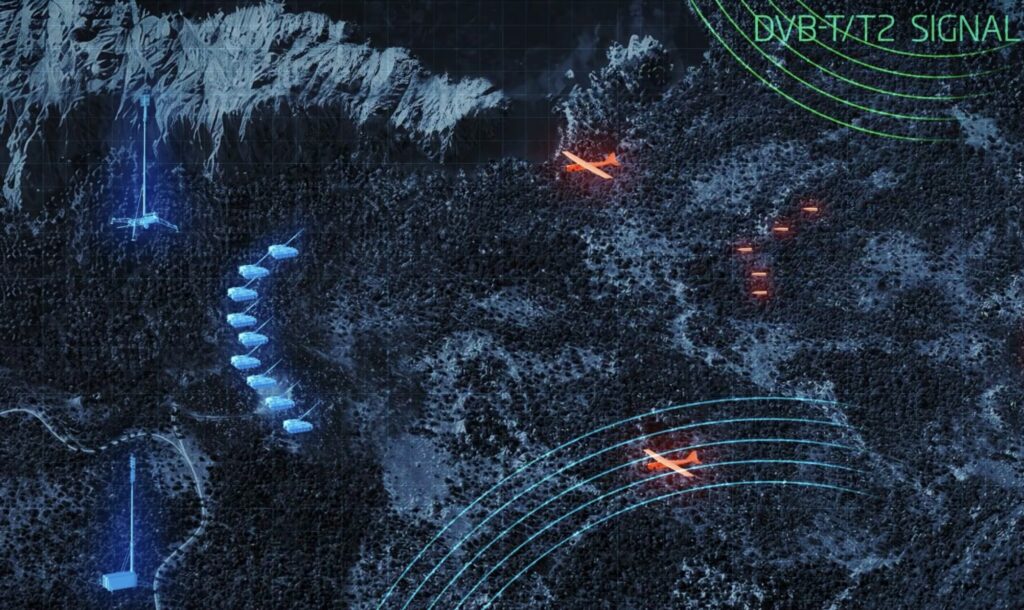
The platform uses Passive Coherent Location technology to maintain continuous surveillance without emitting radio-frequency signals, reducing the risk of detection by opposing forces.
It relies on digital television transmitters for illumination, enabling more than 100 degrees of azimuth coverage and high-rate target tracking.
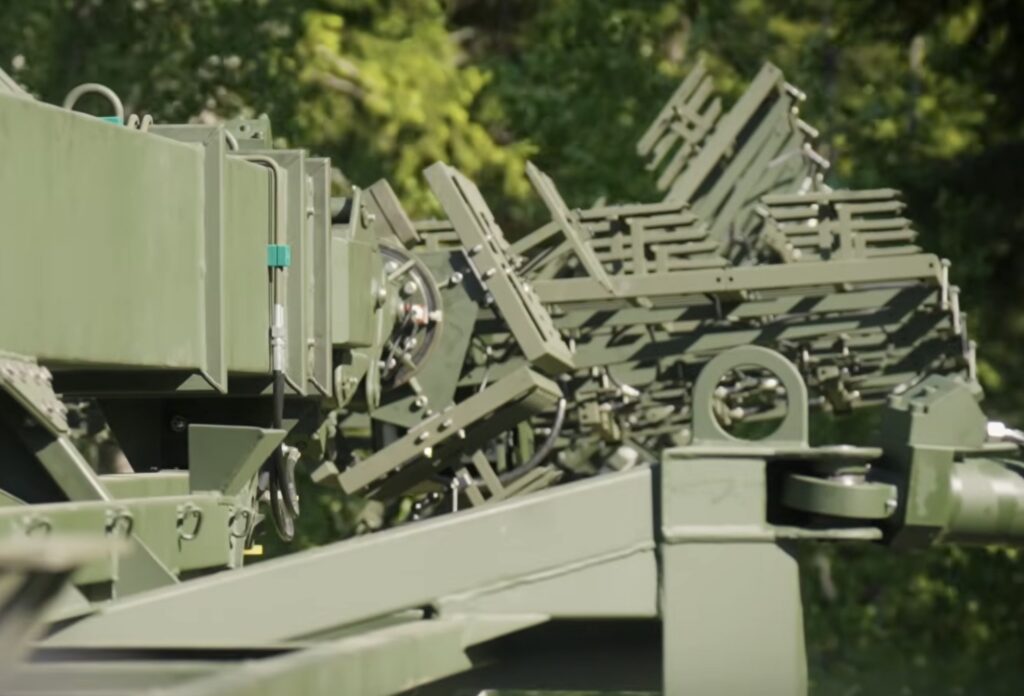
Patria said the radar can also support air surveillance, including the detection and tracking of low-signature unmanned aerial vehicles.
The system is designed to operate either as a standalone unit or as part of a networked configuration, with both setups supporting remote operation and control.
“Patria WISPR will be critical … in counter-battery operations,” said Mikko Leino, executive vice president of Defence and Weapon Systems at Patria.
“In today’s operational environment, where the time from detection to strike is short, active radars risk exposure due to their emissions. Patria WISPR responds to this challenge by providing silent projectile detection.”
System Design and Operational Reach
Designed for rapid deployment near contested areas, the system uses a mast-mounted sensor configuration that may allow concealment under wooded terrain.
It can detect artillery and mortar rounds at ranges of up to 20 kilometers (12.4 miles) and rockets beyond 30 kilometers (18.6 miles).
Its multistatic architecture enhances detection of low-altitude threats, while an all-weather design supports operation in demanding environmental conditions.