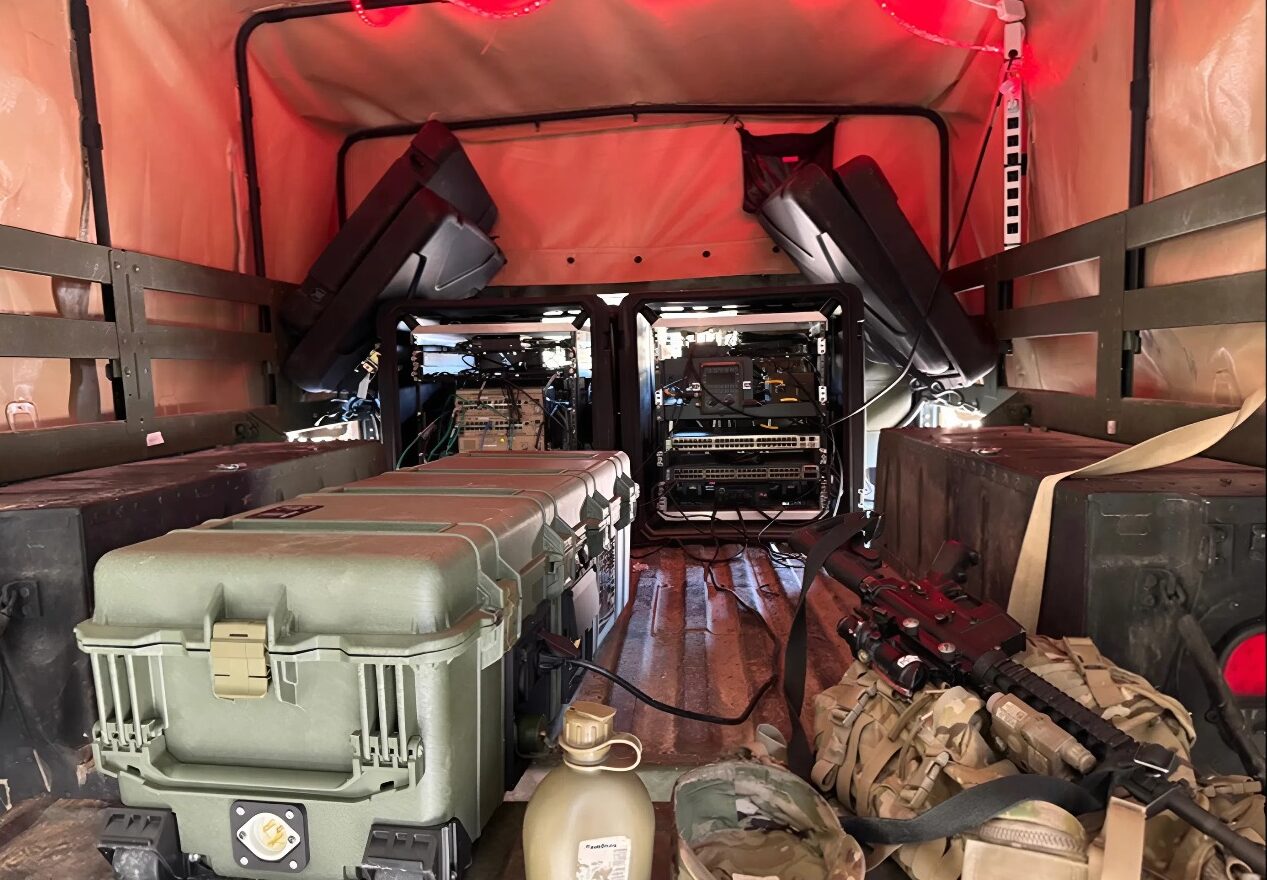
A new intelligent battlefield power system from Chariot Defense will give US Army brigades a new way to manage energy for critical military equipment.
Also known as Amphora, the power solution can reduce fuel consumption by up to 60 percent and extend silent operations for up to 36 hours.
Unlike conventional systems that rely on loud, liquid-fuel generators, the system uses software to optimize and manage energy from power sources already available on the battlefield.
It integrates with existing tactical generators, solar arrays, and military vehicles, functioning as a two-way intelligent power controller without requiring specialized training or maintenance.
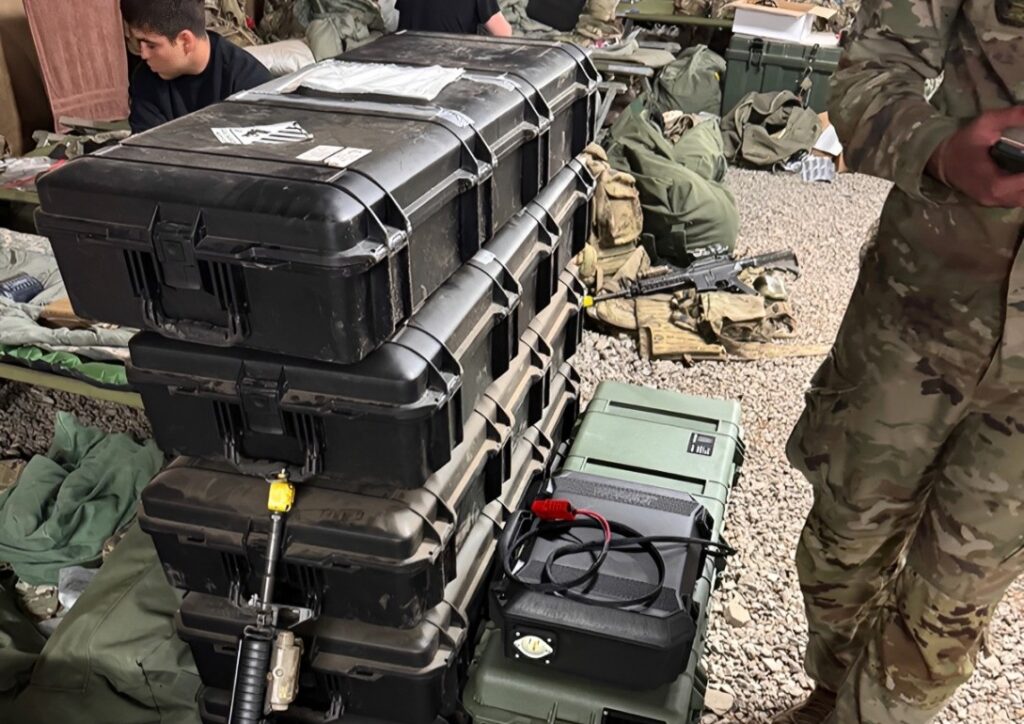
Amphora also reports tactical power data to command-and-control networks, helping soldiers to optimize available power across multiple operational areas.
“Today’s battlefield technology demands integration of intelligent power control and distribution to extend the endurance of constrained energy supplies,” said Adam Warmoth, founder and chief executive officer of Chariot Defense.
“Our Amphora systems are a software-defined combat multiplier, enhancing warfighters’ capability to see, sense, strike, and survive in contested environments.”
Backed by $7 Million
Chariot Defense has landed a $7 million contract from the US Department of Defense Innovation Unit (DIU) to support the initiative.

Under the Portable Resilient Integrated Storage Module (PRISM) program, the company will deliver its Amphora power systems to US Army brigades in the Arctic this fall.
“A formation should not have to choose which systems stay powered up. When that happens, soldiers fight with their hands tied and commanders can’t use the advanced equipment they need to perform their missions,” Warmoth added.
“We are bringing the commercial power technology revolution directly to defense, enabling operators to run critical systems quietly and reliably, and doing so with a secure supply chain, without dependence on Chinese components.”