
A new hybrid-electric vertical takeoff and landing (VTOL) cargo drone from Czech firm Zuri can carry more than 100 kilograms (220 pounds) of payload, with a combined useful load — payload plus fuel — of 165 kilograms (364 pounds).
Called Zuri, the unmanned aerial vehicle (UAV) has a design range of 679 kilometers (422 miles), or 569 kilometers (354 miles) with a full 30-minute reserve, cruises at 220 kilometers (137 miles) per hour, and can land on a pad, deck, or open ground.
It incorporates a sealed internal cargo compartment and a replaceable underside pod that can carry supplies, sensors, or communications relay equipment.
Operationally, a single person can command the system from the ground, while onboard automation manages the flight functions.
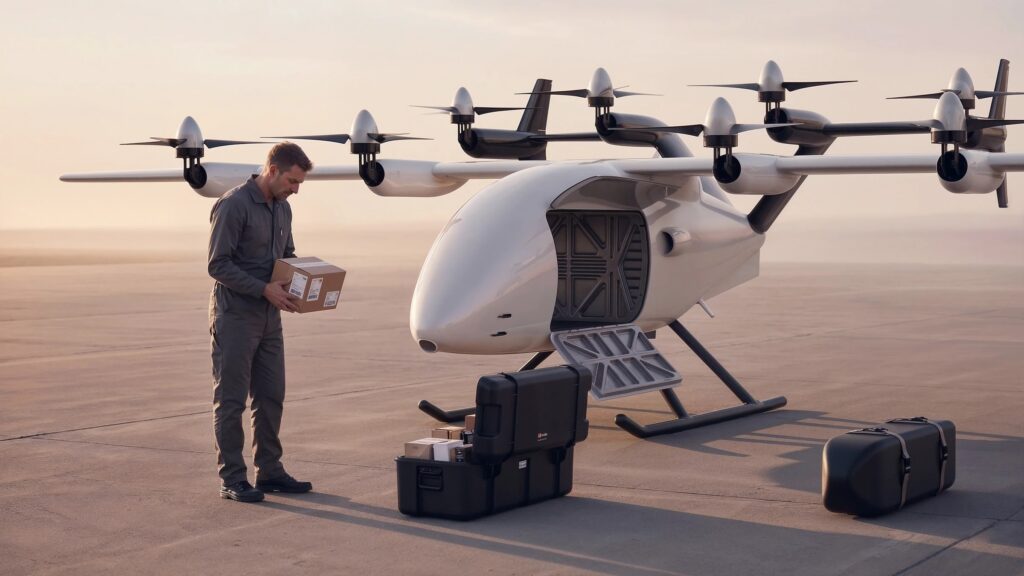
If the generator fails, the aircraft can rely on battery power to complete a landing, while the tilting rotors enable vertical lift before transitioning to wing-borne cruise.
It uses distributed propulsion and redundant fly-by-wire controls to maintain flight control if a rotor is lost, while preventing any single component from becoming a sole point of failure.
The UAV supports a range of missions, including offshore and island resupply, delivery of critical replacement parts, and disaster relief in areas with damaged roads or bridges.
Beyond cargo transport, it can also be configured for intelligence, surveillance, and reconnaissance missions. In this sensing configuration, carrying extra fuel and sensors instead of cargo, the company said the aircraft can reach approximately 1,908 kilometers (1,186 miles).
The Road Ahead
The drone is based on Technology Demonstrator 2.0 (TD 2.0), a full-scale aircraft currently undergoing ground tests in Prague.
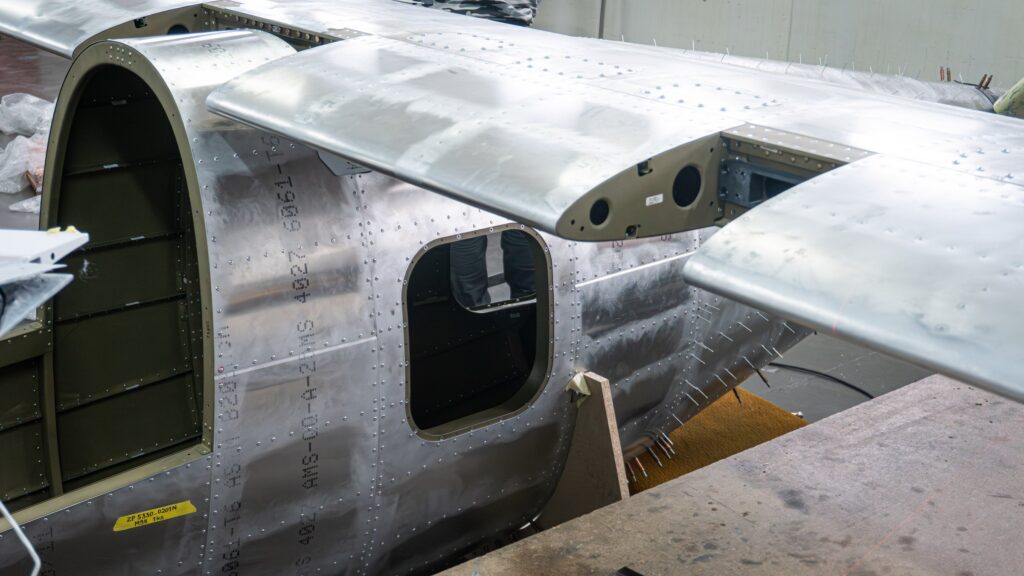
The company is seeking 6 million euros ($6.96 million) as the first tranche of a Series A round to fund TD 2.0 and its full flight-test campaign, with 1.1 million euros ($1.28 million) already secured by existing investors.
Flight testing of Zuri is scheduled to begin in early 2027, with commercial deliveries expected to follow between 2027 and 2029.
“We spent nine years and more than fifteen aircraft teaching ourselves what this architecture can do,” said Michal Illich, founder and chief executive officer of Zuri.
“The uncrewed cargo VTOL is the first one we are building for someone else to fly. This round funds the demonstrator and its full flight test campaign.”