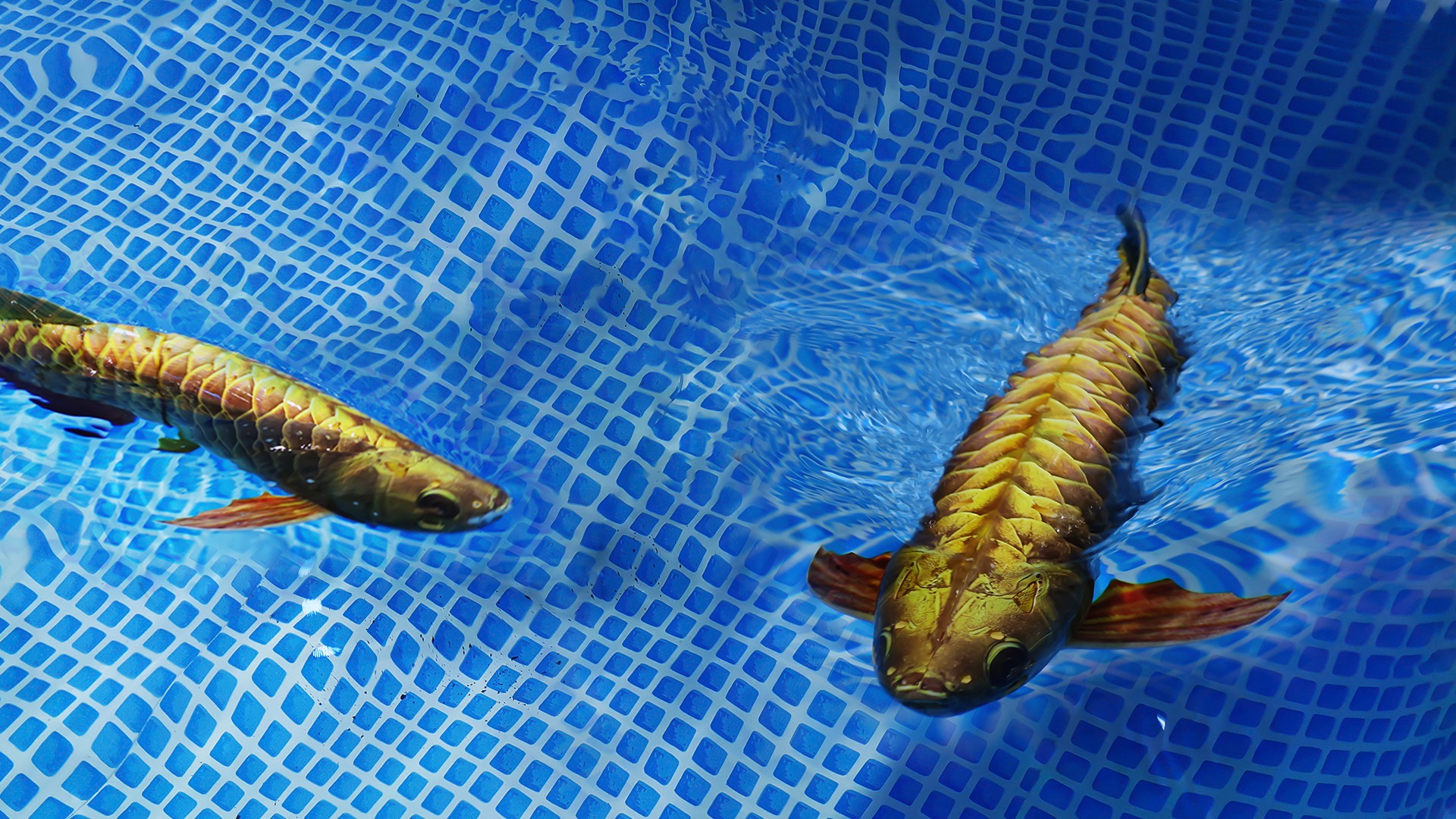
China has showcased an unusual autonomous underwater robot modeled after a golden arowana.
Developed by Boyagongdao Marine Technology Group, the “BG-5 Golden Dragon Fish” uses a multi-jointed tail to recreate the undulating swimming motion of a real fish.
The robot does not rely on fixed, pre-programmed routes. Instead, onboard sensors allow it to detect obstacles and plan its movement autonomously, according to reports.
The BG-5 measures 640 millimeters (25 inches) long and weighs approximately 3 kilograms (7 pounds). It can reportedly operate at depths of up to 5 meters (16 feet) and reach speeds of 0.6 meters (2 feet) per second.
Boyagongdao also lists a BG-5V variant with path planning, task allocation, formation control, and multi-robot coordination capabilities.
The robot was displayed at the 2026 China International Fair for Trade in Services in Beijing.
Potential Defense Applications
Boyagongdao envisions the BG-5 supporting shallow-water surveillance missions, with its realistic design potentially allowing it to operate without alerting hostile defenses.
Its compact form could also enable it to navigate confined spaces that are too small for larger naval platforms.
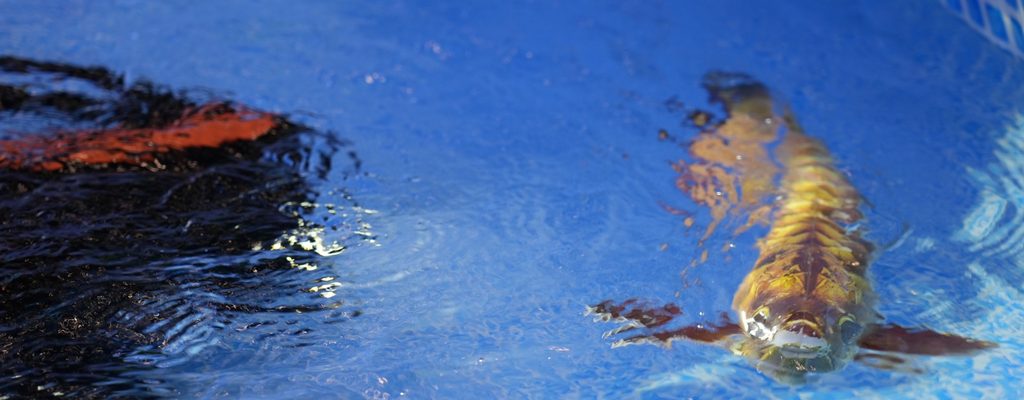
Meanwhile, the BG-5V variant could support coordinated search missions in which multiple robot fish work together with minimal human input.